
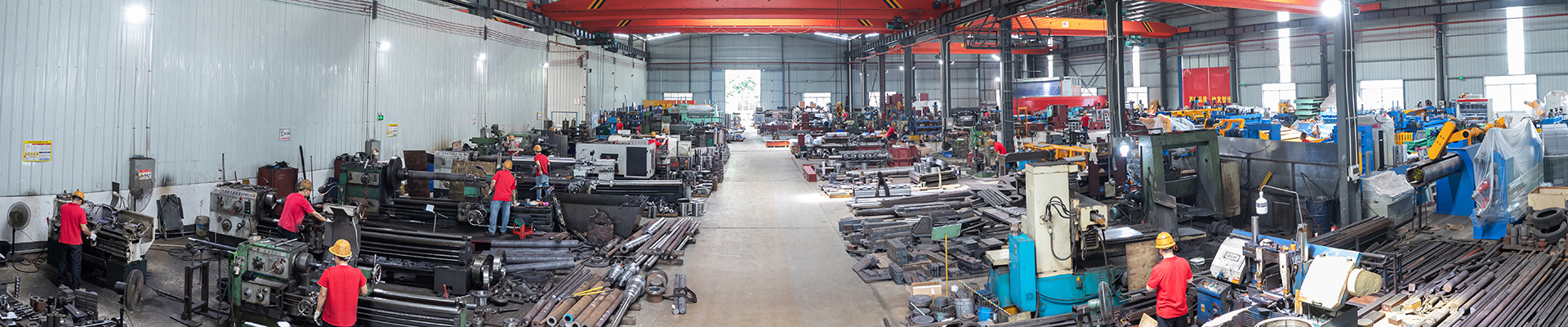

steel straightening machine
Time:
2024-10-16 15:03
source:

The steel straightening machine is a crucial piece of equipment in the manufacturing and construction industries, designed to improve the straightness and dimensional accuracy of steel materials. Its primary function is to remove any bends, twists, or distortions that may have occurred during the manufacturing, transportation, or storage of steel products. This not only enhances the aesthetic appeal of the final product but also ensures that it meets the required specifications for further processing or installation.

There are several types of steel straightening machines available on the market, each with its unique features and capabilities. The most common types include roller-levelers, stretch levelers, and continuous rod straighteners. Roller-levelers use a series of rotating rollers to apply pressure on the steel material, effectively removing any bends or curves. Stretch levelers, on the other hand, work by stretching the steel material under tension, which helps to eliminate any twists or distortions. Continuous rod straighteners are specifically designed for straightening long lengths of steel wire or rod.
The design and functionality of steel straightening machines have evolved significantly over the years. Modern machines incorporate advanced technology such as computer numerical control (CNC), laser sensors, and automated adjustment mechanisms, which enhance their precision, efficiency, and ease of operation. These advancements have allowed manufacturers to produce high-quality steel products with consistent dimensions and surface finish, meeting the stringent demands of various industrial applications.
One of the key benefits of using a steel straightening machine is its ability to improve material yield. By eliminating bends, twists, and distortions, the machine ensures that the steel material is used more efficiently, reducing waste and lowering production costs. Additionally, straightened steel exhibits improved mechanical properties, including increased strength and durability, which are essential for structural applications where load-bearing capacity is critical.
Another advantage of steel straightening machines is their versatility. They can handle a wide range of steel products, including sheets, plates, bars, and coils, with varying thicknesses and widths. This makes them suitable for use in diverse industries such as automotive, shipbuilding, construction, and aerospace. Moreover, these machines can be easily integrated into existing production lines, allowing for seamless operation and enhanced productivity.

In terms of maintenance, steel straightening machines require regular servicing to ensure optimal performance and longevity. This includes cleaning the rollers and other components, checking for wear and tear, and replacing any damaged parts as needed. Proper lubrication is also essential to minimize friction and prevent overheating. By following these maintenance practices, manufacturers can maximize the lifespan of their steel straightening machines and avoid unexpected downtime due to equipment failure.
Safety is another critical aspect of operating steel straightening machines. It is essential to follow proper procedures and protocols when handling these machines to prevent accidents and injuries. This includes wearing appropriate personal protective equipment (PPE), ensuring that the machine is properly secured before starting, and having a clear understanding of the machine's operation and emergency shutoff procedures. Regular training and safety audits are also recommended to maintain a safe working environment.

In conclusion, steel straightening machines play a vital role in the manufacture and processing of steel materials. Their ability to improve straightness, dimensional accuracy, and material yield has made them indispensable tools in various industries. With advancements in technology, these machines continue to evolve, offering enhanced precision, efficiency, and versatility. As the demand for high-quality steel products grows, so too does the importance of incorporating reliable and effective steel straightening solutions into production processes.
Related news
Hotline:
Address:Baishaqiao Industrial Zone, Shishan Town, Nanhai District, Foshan, China
Tel:+86-18823293989
Tel:+86-13929966249
Tel:+86-757-86698198
Email:1174934194@qq.com
COPYRIGHT © 2023 Guangdong Quanfa Intelligent Equipment Co.Ltd.
Address:Baishaqiao Industrial Zone, Shishan Town, Nanhai District, Foshan, China
Tel:+86-18823293989
Tel:+86-13929966249
Tel:+86-757-86698198
Email:1174934194@qq.com
Swipe to add WeChat
Swipe to add WeChat
Swipe to add WhatsApp