
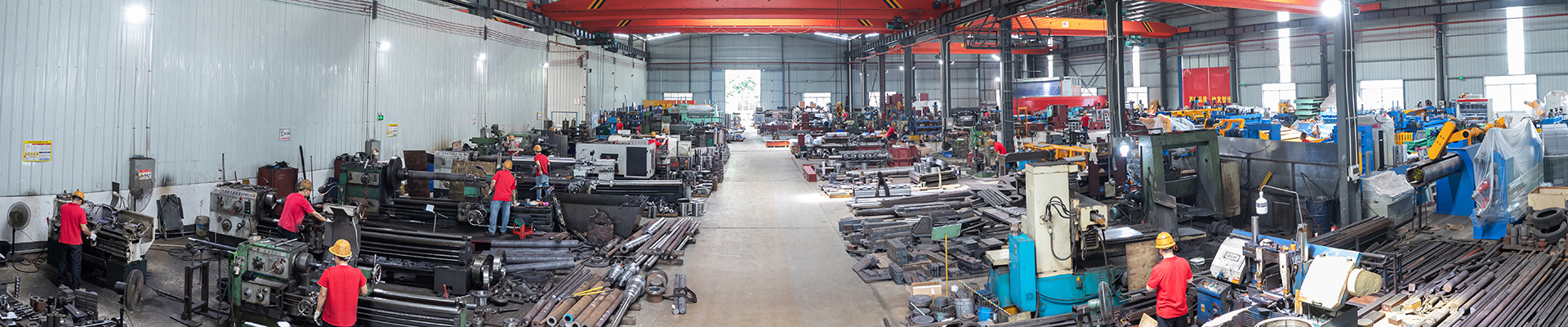

steel coil decoiler
Time:
2024-10-16 15:08
source:

Steel coil decoiler is a vital piece of equipment in metalworking industries, particularly those involved in the processing of steel. Its primary function is to unwind and pay out steel coils in a controlled manner for further manufacturing operations such as cutting, shaping, or welding. This apparatus finds extensive use in various sectors including automotive, construction, shipbuilding, and appliance manufacturing where there is a need for precise and efficient handling of steel strips.

The steel coil decoiler consists of several key components: the frame, the uncoiling mechanism, the shaft, the expander/collapse system, and the brake system. The frame serves as the structural foundation upon which the entire unit is built, providing stability during operation. The uncoiling mechanism, often powered by an electric motor or hydraulic system, applies torque to rotate the coil end and initiate the unwinding process.
The shaft is the central pivot point around which the steel coil revolves. It must be sturdy and precisely engineered to handle the significant weight and tension without deflecting. Attached to the shaft is the expander/collapse system, which clamps down on the inner core of the steel coil to secure it firmly in place while allowing for smooth rotation. This feature prevents the coil from slipping during operation, ensuring consistent material feed into subsequent processing stages.
To maintain control over the unwinding process and prevent the coil from unraveling too quickly, the decoiler is equipped with a braking system. This could be a mechanical drum brake, a magnetic powder brake, or even a digitally controlled system that monitors and adjusts the tension in real-time. Proper braking is essential to avoid material waste, operator injuries, and damage to the decoiler itself.

Modern steel coil decoilers are often integrated with automation technologies, enhancing their efficiency and safety features. They may include sensors to detect coil size and weight, programmable logic controllers (PLC) for automated operation, and touchscreen interfaces for easy setup and adjustment. These advancements enable higher productivity, consistency, and reduced reliance on manual labor.
Safety considerations are paramount with steel coil decoilers due to the potential hazards associated with handling large, heavy, and tense materials. Therefore, many models incorporate emergency stop buttons, protective barriers, and alarm systems to safeguard operators and maintenance personnel.
In summary, the steel coil decoiler is an indispensable machine in the metallurgical industry, offering a blend of engineering excellence and operational versatility. Its capability to efficiently manage the feeding of steel strips ensures seamless integration into production lines, thereby contributing to the overall efficiency and effectiveness of metal fabrication processes. Whether used in a high-volume production environment or a specialized workshop, the steel coil decoiler remains a cornerstone of precision manufacturing.
Related news
Hotline:
Address:Baishaqiao Industrial Zone, Shishan Town, Nanhai District, Foshan, China
Tel:+86-18823293989
Tel:+86-13929966249
Tel:+86-757-86698198
Email:1174934194@qq.com
COPYRIGHT © 2023 Guangdong Quanfa Intelligent Equipment Co.Ltd.
Address:Baishaqiao Industrial Zone, Shishan Town, Nanhai District, Foshan, China
Tel:+86-18823293989
Tel:+86-13929966249
Tel:+86-757-86698198
Email:1174934194@qq.com
Swipe to add WeChat
Swipe to add WeChat
Swipe to add WhatsApp