
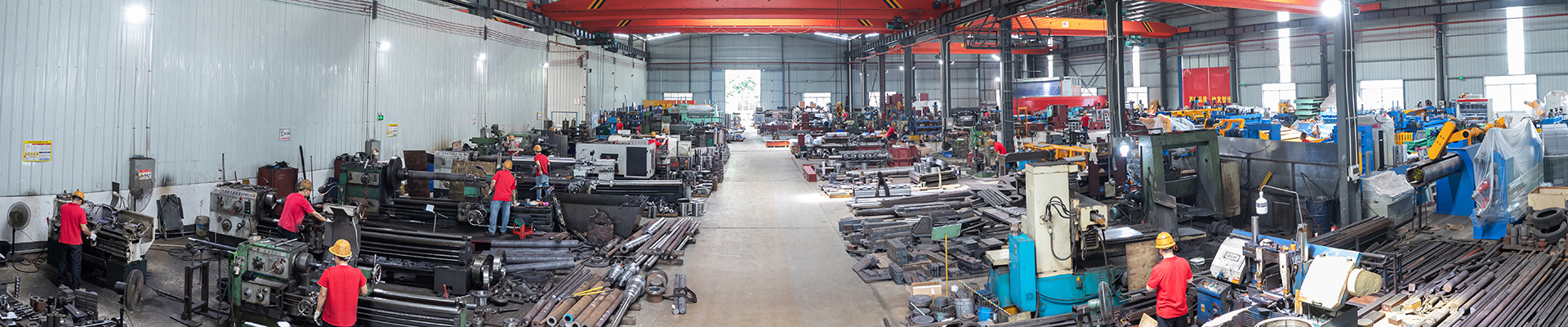

sheet metal straightening machine
Time:
2024-10-16 15:24
source:

A sheet metal straightening machine is an indispensable piece of equipment in the modern manufacturing industry, engineered to correct warping, twisting, and other deformations that can occur in metal sheets during processing or handling. This sophisticated machinery leverages advanced mechanical principles to restore flatness and precision to metal sheets, ensuring that they meet stringent quality standards required for various applications, from automotive and aerospace components to construction materials and consumer electronics enclosures.

At its core, a sheet metal straightening machine functions by passing the metal sheet through a series of rollers or passes that apply gradual and controlled pressure. Each pass is carefully designed to target specific types of distortions, be it cupping, oil canning, or waves, thereby progressively enhancing the material's flatness without compromising its structural integrity. The process begins with the initial analysis of the sheet's condition using laser scanning or other high-precision measurement techniques to identify distortion patterns. Based on this assessment, the machine's computer-controlled system adjusts the gap between rollers, the rotational speed, and the direction of force application with remarkable accuracy.
One notable feature of contemporary sheet metal straightening machines is their versatility in handling different thicknesses and materials, including aluminum, stainless steel, mild steel, and alloys. This adaptability is made possible by interchangeable rolls or modules within the machine, allowing it to switch between tasks with minimal downtime. Additionally, some advanced models incorporate real-time monitoring and feedback systems, which continuously assess the output quality and make micro-adjustments throughout the process to optimize performance.

The design of these machines also prioritizes operator safety and ease of use. Guards, emergency stop buttons, and user-friendly interfaces are standard features, enabling seamless integration into any production line while safeguarding personnel. Moreover, energy efficiency is a key consideration, with many models incorporating energy-saving modes and optimized motor systems to reduce power consumption without sacrificing performance.
In terms of capacity, sheet metal straightening machines come in various sizes to accommodate different production scales, ranging from small workshop setups to large industrial plants. The width of the machine, known as the "gage," determines the maximum size of the sheet it can process, while the number of rollers and their configuration define the level of correction achievable. For instance, a basic model might have 5 to 7 rollers, suitable for light-duty tasks, whereas a heavy-duty machine could feature up to 23 rollers for tackling severely warped sheets.
Maintenance is another crucial aspect of owning a sheet metal straightening machine. Regular servicing, including lubrication of moving parts, inspection of roller wear and alignment, and software updates, ensures consistent operation and prolongs the lifespan of the equipment. Some manufacturers offer comprehensive maintenance contracts and technical support to assist users in keeping their machines in optimal condition.
Furthermore, advancements in automation technology have led to the development of fully automated straightening lines where robotic arms feed and retrieve sheets, drastically reducing manual labor and increasing productivity. These integrated systems often include vision inspection systems that automatically reject sheets that do not meet predefined quality criteria, further enhancing overall efficiency and consistency.

Investment in a high-quality sheet metal straightening machine yields significant benefits beyond mere cost savings associated with reduced scrap rates and improved yield. By ensuring precise dimensions and surface finish of the metal sheets, manufacturers can enhance product reliability, improve assembly processes, and ultimately elevate customer satisfaction. In industries where aesthetics and fit are paramount, such as in the production of appliances, electronic devices, and architectural elements, the role of a sheet metal straightening machine becomes even more critical.
In conclusion, a sheet metal straightening machine represents a cornerstone technology in metal fabrication, combining precision engineering, adaptability, and efficiency to address the challenges posed by deformed metal sheets. Its ability to restore material flatness swiftly and accurately not only bolsters productivity but also contributes to higher end-product quality, making it an essential investment for businesses striving for excellence in their manufacturing processes. As technology continues to evolve, so too will these machines, promising even greater levels of automation, intelligence, and sustainability in the future of metalworking.
Pre
Related news
Hotline:
Address:Baishaqiao Industrial Zone, Shishan Town, Nanhai District, Foshan, China
Tel:+86-18823293989
Tel:+86-13929966249
Tel:+86-757-86698198
Email:1174934194@qq.com
COPYRIGHT © 2023 Guangdong Quanfa Intelligent Equipment Co.Ltd.
Address:Baishaqiao Industrial Zone, Shishan Town, Nanhai District, Foshan, China
Tel:+86-18823293989
Tel:+86-13929966249
Tel:+86-757-86698198
Email:1174934194@qq.com
Swipe to add WeChat
Swipe to add WeChat
Swipe to add WhatsApp