
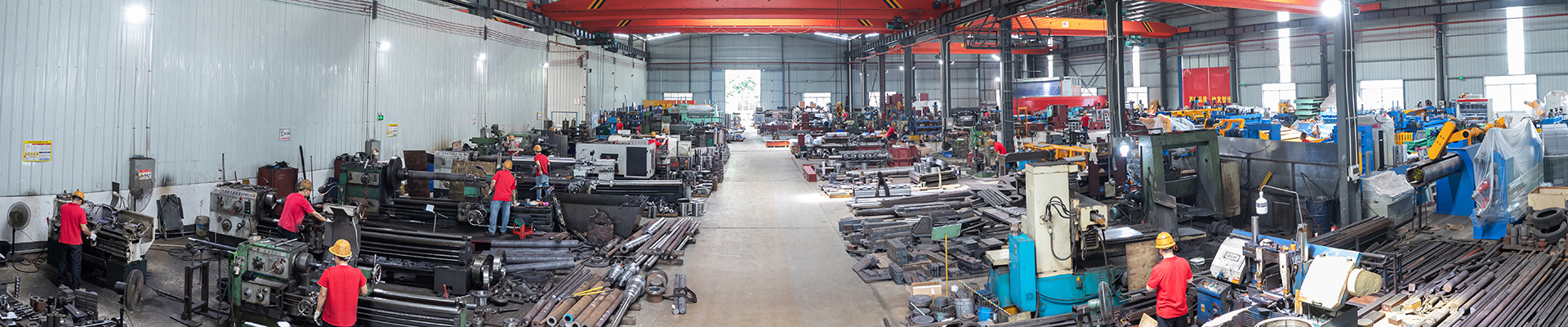

Essential Insights into Metal Straightening Machines for Superior Metal Processing
Time:
2025-04-30 10:20
source:

Metal straightening machines are indispensable tools in the manufacturing and metal processing industry, particularly for companies focused on metal fabrication and machining. Understanding the functionality, types, and advantages of these machines can significantly enhance your operational efficiency and product quality.
At their core, metal straightening machines are designed to correct the shape of metal components that have been distorted during manufacturing processes such as welding, machining, or transportation. These machines apply controlled force to the metal, thereby restoring it to its intended shape with minimal risk of damage. The straightening process typically involves a combination of mechanical force and precise alignment techniques, ensuring that the final product meets stringent quality standards.
There are various types of metal straightening machines, each suited to specific applications. Among them, hydraulic straighteners are particularly popular due to their ability to handle a wide range of materials and thicknesses. They utilize hydraulic pressure to exert force on the metal, allowing for effective straightening without introducing additional stresses that could lead to further distortion. Another type is the mechanical straightener, which employs rollers or levers to straighten metal pieces, offering a more manual approach that can be finely tuned for specific tasks.
When investing in a metal straightening machine, consider key factors such as the machine's capacity, the types of materials it can process, and its ease of operation. Additionally, look for features that enhance precision, such as digital controls or automatic alignment systems. These advanced functionalities can not only increase productivity but also reduce the likelihood of human error, leading to higher quality outputs.
The benefits of integrating a metal straightening machine into your metal processing operations are manifold. Improved accuracy in the straightening process can significantly reduce material waste and rework, contributing to cost savings. Furthermore, the ability to produce straightened components consistently enhances the overall quality of the finished products, which can improve customer satisfaction and bolster your company’s reputation in the market.
In conclusion, understanding the nuances of metal straightening machines is essential for professionals in the manufacturing and metal processing sectors. By choosing the right machine and leveraging its capabilities, businesses can improve operational efficiency, product quality, and ultimately enhance their competitiveness in a challenging marketplace. Whether you're looking to upgrade existing equipment or invest in new technology, a well-informed decision will facilitate your company's growth and success in the metalworking industry.
Related news
Hotline:
Address:Baishaqiao Industrial Zone, Shishan Town, Nanhai District, Foshan, China
Tel:+86-18823293989
Tel:+86-13929966249
Tel:+86-757-86698198
Email:1174934194@qq.com
COPYRIGHT © 2023 Guangdong Quanfa Intelligent Equipment Co.Ltd.
Address:Baishaqiao Industrial Zone, Shishan Town, Nanhai District, Foshan, China
Tel:+86-18823293989
Tel:+86-13929966249
Tel:+86-757-86698198
Email:1174934194@qq.com
Swipe to add WeChat
Swipe to add WeChat
Swipe to add WhatsApp