
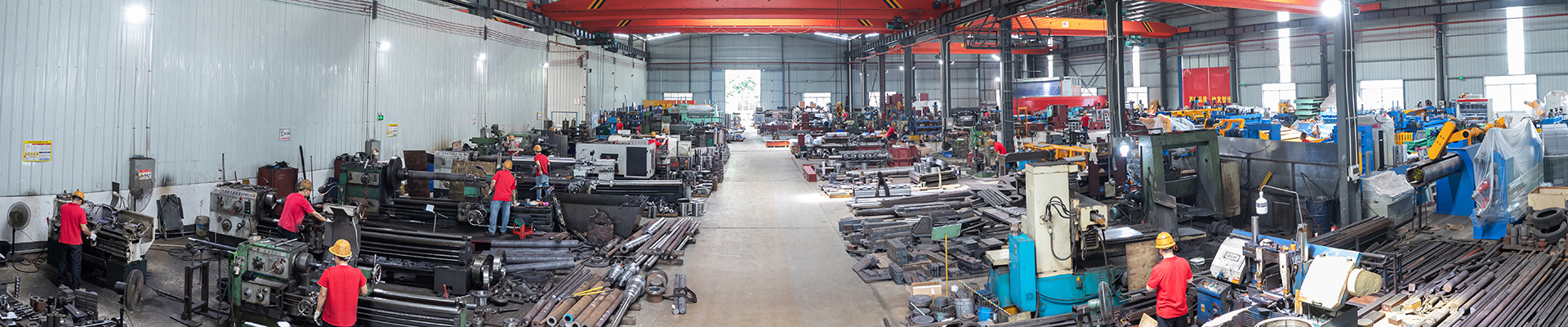

Unleashing Potential: The Impact of Cross Cutting Machines on Production
Time:
2025-06-22 10:20
source:

Unleashing Potential: The Impact of Cross Cutting Machines on Production
Table of Contents
1. Introduction to Cross Cutting Machines
2. Understanding the Mechanics of Cross Cutting
3. Benefits of Cross Cutting Machines in Manufacturing
4. Applications Across Industries
4.1 Automotive Industry
4.2 Aerospace Sector
4.3 Construction and Fabrication
5. Choosing the Right Cross Cutting Machine
5.1 Factors to Consider
5.2 Maintenance and Performance
6. Technological Advancements in Cross Cutting Machines
7. Case Studies: Success Stories from the Field
8. Future Trends in Cross Cutting Technology
9. Frequently Asked Questions (FAQs)
10. Conclusion
1. Introduction to Cross Cutting Machines
Cross cutting machines play a pivotal role in the realm of **metal processing**, particularly in enhancing productivity and efficiency. These machines are specifically designed to cut materials across their width, making them essential in industries where precision and speed are paramount. In this article, we will delve into the significance of cross cutting machines in manufacturing, exploring their functionalities, benefits, and the future they promise.
2. Understanding the Mechanics of Cross Cutting
To appreciate the impact of cross cutting machines, it is essential to understand how they operate. These machines typically utilize a variety of cutting tools, including saw blades, lasers, or water jets, to perform precise cuts. The design of a cross cutting machine allows it to handle a range of materials, from metals to composites, providing versatility in applications.
The cutting process involves several key components:
- **Cutting Tool**: The blade or laser used for the actual cutting process.
- **Feed Mechanism**: Controls the speed at which the material moves through the cutting tool.
- **Control System**: Ensures precision by allowing operators to set dimensions and cutting parameters.
This intricate interplay between components allows cross cutting machines to deliver high-quality cuts with minimal waste, enhancing overall productivity.
3. Benefits of Cross Cutting Machines in Manufacturing
The adoption of cross cutting machines in manufacturing processes brings several advantages, which significantly impact production efficiency:
- **Increased Productivity**: By streamlining the cutting process, these machines can operate at higher speeds compared to manual methods, resulting in faster turnaround times.
- **Enhanced Precision**: Advanced control systems ensure that cuts are accurate, reducing the likelihood of errors and rework.
- **Material Efficiency**: With precise cutting, manufacturers can minimize waste, saving costs in raw materials.
- **Versatility**: Cross cutting machines can handle various materials, making them suitable for diverse applications across industries.
These benefits collectively contribute to a more efficient manufacturing environment, making cross cutting machines an invaluable asset.
4. Applications Across Industries
Cross cutting machines are utilized in various sectors, demonstrating their versatility and importance:
4.1 Automotive Industry
In the automotive sector, cross cutting machines are essential for processing materials such as steel and aluminum used in vehicle components. Their ability to deliver precise cuts ensures the integrity of parts, contributing to vehicle safety and performance.
4.2 Aerospace Sector
The aerospace industry requires the highest levels of precision, particularly when fabricating components that must adhere to stringent regulations. Cross cutting machines facilitate the accurate cutting of lightweight materials, crucial for fuel efficiency and safety in aircraft design.
4.3 Construction and Fabrication
In construction, cross cutting machines are employed to cut various materials, including metal beams and sheets. Their efficiency in processing large volumes of materials quickly is vital for meeting project deadlines.
5. Choosing the Right Cross Cutting Machine
Selecting the appropriate cross cutting machine is crucial for optimizing production efficiency. Here are important factors to consider:
5.1 Factors to Consider
- **Material Type**: Different machines are suited for various materials; understanding the material specifics is essential.
- **Cutting Speed**: Evaluate the speed capabilities of the machine to ensure it meets production demands.
- **Precision Requirements**: Depending on the industry, the precision of cuts may vary; choose a machine aligned with your quality standards.
5.2 Maintenance and Performance
Regular maintenance is critical to ensure the longevity and efficiency of cross cutting machines. Implementing a robust maintenance schedule can help prevent breakdowns and maintain optimal performance levels.
6. Technological Advancements in Cross Cutting Machines
The landscape of cross cutting technology is continuously evolving, with advancements leading to enhanced capabilities. Innovations such as automation, computer numerical control (CNC), and integration with smart manufacturing systems are shaping the future of cross cutting machines. These advancements not only improve efficiency but also reduce labor costs and enhance safety in the workplace.
7. Case Studies: Success Stories from the Field
Examining real-world applications of cross cutting machines illustrates their impact on production. For instance, a leading automotive manufacturer implemented a state-of-the-art cross cutting machine, resulting in a 30% increase in production speed and a significant reduction in material waste. This case exemplifies the transformative power of these machines in optimizing production processes.
8. Future Trends in Cross Cutting Technology
As industries continue to evolve, the demand for more efficient and precise cutting solutions will grow. Future trends may include:
- The integration of AI to enhance precision and improve predictive maintenance.
- Increased automation to streamline workflows and reduce labor dependency.
- Development of more sustainable cutting technologies that minimize environmental impact.
These trends indicate a promising future for cross cutting machines, making them indispensable in the manufacturing landscape.
9. Frequently Asked Questions (FAQs)
- **What materials can cross cutting machines process?**
Cross cutting machines can process a variety of materials, including metals, composites, and plastics.
- **How do cross cutting machines improve production efficiency?**
They enhance production efficiency by offering faster cutting speeds, precise cuts, and reducing material waste.
- **What should I consider when purchasing a cross cutting machine?**
Consider factors such as material type, cutting speed, precision requirements, and maintenance needs.
- **Are there any safety concerns with using cross cutting machines?**
Yes, safety is paramount; operators must be trained, and machines should be equipped with safety features.
- **What is the future of cross cutting technology?**
The future includes advancements in automation, AI integration, and sustainable practices to further enhance efficiency and reduce environmental impact.
10. Conclusion
Cross cutting machines are revolutionizing the manufacturing landscape, driving efficiency, precision, and productivity across various industries. Their ability to streamline processes and minimize waste makes them invaluable in today's competitive market. As technology advances, the potential of cross cutting machines will only continue to grow, paving the way for a more efficient and sustainable future in metal processing. Embracing these innovations is essential for manufacturers looking to stay ahead in an ever-evolving industry.
Related news
Hotline:
Address:Baishaqiao Industrial Zone, Shishan Town, Nanhai District, Foshan, China
Tel:+86-18823293989
Tel:+86-13929966249
Tel:+86-757-86698198
Email:1174934194@qq.com
COPYRIGHT © 2023 Guangdong Quanfa Intelligent Equipment Co.Ltd.
Address:Baishaqiao Industrial Zone, Shishan Town, Nanhai District, Foshan, China
Tel:+86-18823293989
Tel:+86-13929966249
Tel:+86-757-86698198
Email:1174934194@qq.com
Swipe to add WeChat
Swipe to add WeChat
Swipe to add WhatsApp