
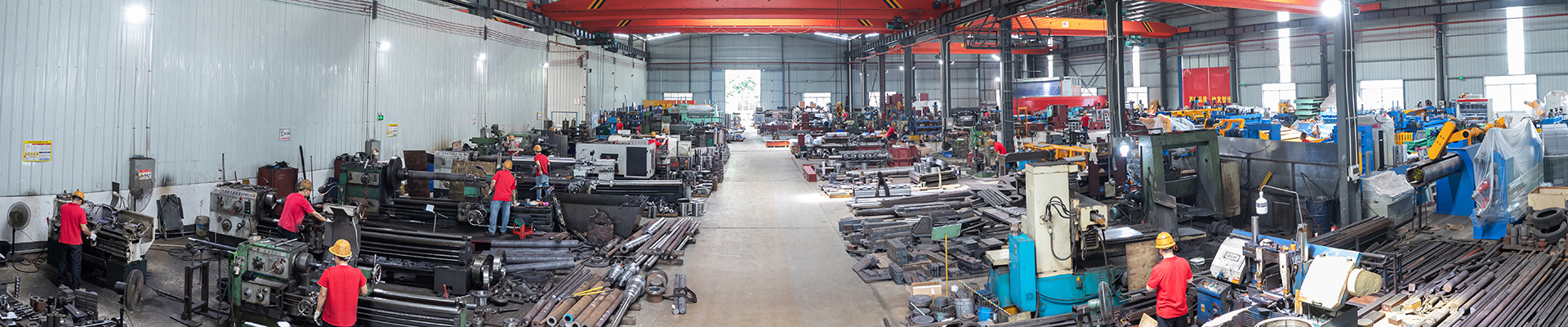

Precision in Practice: Mastering Metal Flattening Techniques for Superior Results
Time:
2025-06-12 10:20
source:

Precision in Practice: Mastering Metal Flattening Techniques for Superior Results
Table of Contents
1. Introduction to Metal Flattening Techniques
2. Importance of Precision in Metal Processing
3. Understanding Metal Types and Their Characteristics
4. Key Techniques for Metal Flattening
4.1 Cold Rolling Techniques
4.2 Hot Rolling Techniques
4.3 Machining for Precision Flattening
5. Essential Tools and Equipment for Metal Flattening
6. Best Practices for Achieving Superior Results
7. Common Challenges and Solutions in Metal Flattening
8. FAQs About Metal Flattening Techniques
9. Conclusion
1. Introduction to Metal Flattening Techniques
Precision in metal flattening is a cornerstone of quality manufacturing. Whether you are working with sheets of steel or aluminum, understanding the techniques that contribute to superior results is essential. This article delves deep into the methodologies that ensure your metal processing operations yield the best possible outcomes.
2. Importance of Precision in Metal Processing
Precision in metal processing affects the integrity, strength, and aesthetic qualities of the final product. When metal is not adequately flattened, it can lead to:
- **Structural Weakness:** Uneven surfaces can cause stress points, leading to cracks or failures.
- **Poor Aesthetics:** Imperfections in the metal surface can detract from the overall appearance.
- **Increased Costs:** Wasted materials and time due to rework can significantly impact the bottom line.
By mastering metal flattening techniques, manufacturers can enhance product quality, reduce costs, and improve customer satisfaction.
3. Understanding Metal Types and Their Characteristics
Before implementing any flattening techniques, it’s vital to understand the various types of metals and their unique properties. Common metals used in manufacturing include:
- **Steel:** Known for its strength and durability, steel can be alloyed to enhance specific characteristics.
- **Aluminum:** Lightweight and corrosion-resistant, aluminum is often used in aerospace and automotive applications.
- **Copper:** Excellent conductivity makes copper ideal for electrical applications, though it requires careful handling during processing.
Each metal type requires specific approaches to flattening, making knowledge of their properties crucial.
4. Key Techniques for Metal Flattening
Several techniques are employed in metal flattening, each suitable for different applications and types of metals.
4.1 Cold Rolling Techniques
Cold rolling involves passing metal through a pair of rollers at room temperature. This technique increases the metal's strength through strain hardening while achieving a smooth surface finish. Key benefits include:
- **Dimensional Precision:** Cold rolling can achieve tolerances as tight as ±0.001 inches.
- **Surface Finish:** Provides a superior surface quality, reducing the need for additional finishing processes.
4.2 Hot Rolling Techniques
Hot rolling is conducted at elevated temperatures, making the metal easier to shape and form. This method is ideal for large, heavy sections and offers advantages such as:
- **Reduced Energy Costs:** The heat reduces the force needed to deform the metal.
- **Improved Workability:** Hot rolling allows for greater deformation and less risk of cracking.
4.3 Machining for Precision Flattening
Machining techniques, such as milling or grinding, are also used to achieve flat surfaces on metal parts. This method allows for very high precision and is often employed in the final stages of production.
- **Precision Tolerances:** Machining can achieve tolerances as tight as ±0.0001 inches.
- **Versatility:** Machining can be applied to various metal types, accommodating complex geometries.
5. Essential Tools and Equipment for Metal Flattening
To effectively flatten metal, specific tools and machinery are required. The choice of equipment largely depends on the metal type, thickness, and desired finish. Key tools include:
- **Rollers:** Used for both cold and hot rolling processes, rollers are crucial for shaping metal.
- **Press Brakes:** These machines bend and flatten metal sheets with precision.
- **Saws and Shears:** Essential for cutting metal into manageable sizes before flattening.
Investing in quality equipment can dramatically improve the precision and efficiency of your metal flattening processes.
6. Best Practices for Achieving Superior Results
To achieve the best results in metal flattening, consider implementing the following best practices:
- **Regular Maintenance:** Keep machinery in optimal condition to ensure consistent results.
- **Training Operators:** Skilled operators can significantly influence the quality of the output.
- **Quality Control Checks:** Implementing rigorous quality checks throughout the process helps catch issues early.
By adhering to these practices, manufacturers can optimize their operations and deliver high-quality products.
7. Common Challenges and Solutions in Metal Flattening
Despite the best efforts, challenges can arise during the metal flattening process. Here are some common issues and their solutions:
- **Warpage:** Uneven heating or cooling can cause warping. Solution: Ensure consistent temperature control throughout the process.
- **Surface Defects:** Scratches or marks can occur during flattening. Solution: Utilize protective coverings and regularly inspect equipment.
- **Material Waste:** Inaccurate cutting can lead to excess scrap. Solution: Invest in advanced cutting tools that improve precision.
By being aware of these challenges and solutions, manufacturers can minimize disruptions and enhance productivity.
8. FAQs About Metal Flattening Techniques
**Q1: What is the difference between cold and hot rolling?**
A1: Cold rolling is done at room temperature, offering better dimensional precision, while hot rolling is performed at high temperatures, making the material easier to shape.
**Q2: How can I ensure my metal is flattened uniformly?**
A2: Regular equipment maintenance, skilled operators, and precise measurements can help ensure uniform flattening.
**Q3: What types of metals can be flattened?**
A3: Most metals, including steel, aluminum, and copper, can be flattened using appropriate techniques and equipment.
**Q4: Are there any safety concerns to consider when flattening metal?**
A4: Yes, always use protective gear, ensure proper machine operation, and maintain a clean workspace to prevent accidents.
**Q5: How do I choose the right technique for my project?**
A5: Consider the metal type, thickness, and desired outcome. Consulting with experts or conducting material tests can also aid in decision-making.
9. Conclusion
Mastering metal flattening techniques is essential for achieving precision and quality in manufacturing. By understanding the various methods, tools, and best practices, manufacturers can enhance their operations and produce superior results. From cold and hot rolling to machining, each technique has its unique advantages that can be leveraged for specific applications. Embracing these strategies not only leads to higher-quality products but also increases efficiency and reduces costs in the long run. By focusing on precision in practice, we can ensure that our metal processing endeavors stand out in a competitive marketplace.
Related news
Hotline:
Address:Baishaqiao Industrial Zone, Shishan Town, Nanhai District, Foshan, China
Tel:+86-18823293989
Tel:+86-13929966249
Tel:+86-757-86698198
Email:1174934194@qq.com
COPYRIGHT © 2023 Guangdong Quanfa Intelligent Equipment Co.Ltd.
Address:Baishaqiao Industrial Zone, Shishan Town, Nanhai District, Foshan, China
Tel:+86-18823293989
Tel:+86-13929966249
Tel:+86-757-86698198
Email:1174934194@qq.com
Swipe to add WeChat
Swipe to add WeChat
Swipe to add WhatsApp