
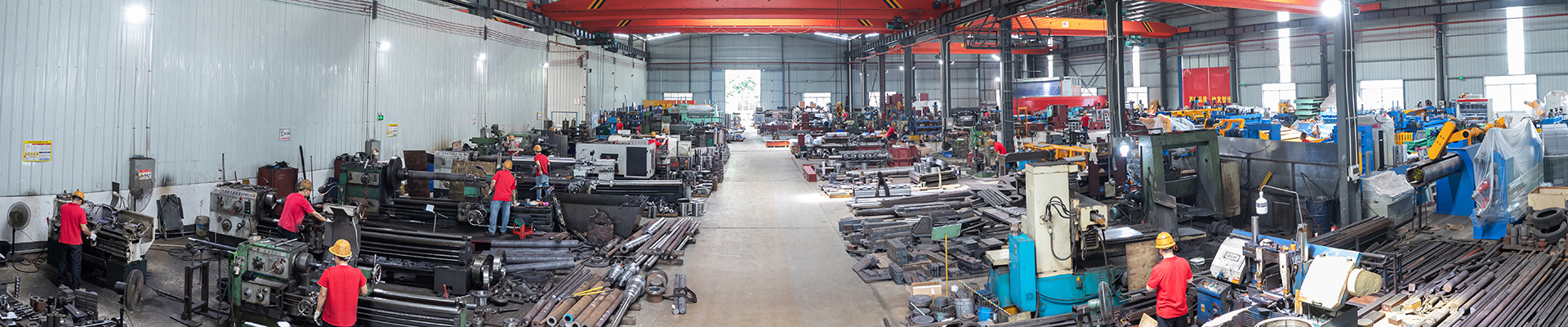

Mastering the Art of Sheet Metal Coil Cutting for Flawless Results
Time:
2025-04-01 10:00
source:

Mastering the Art of Sheet Metal Coil Cutting for Flawless Results
Table of Contents
- 1. Introduction to Sheet Metal Coil Cutting
- 2. The Importance of Precision in Sheet Metal Cutting
- 3. Essential Tools and Equipment for Coil Cutting
- 4. Effective Cutting Techniques for Flawless Results
- 5. Safety Measures in Sheet Metal Coil Cutting
- 6. Common Issues and Troubleshooting Tips
- 7. Maintenance of Cutting Equipment
- 8. Conclusion: Elevating Your Cutting Skills
- 9. Frequently Asked Questions
1. Introduction to Sheet Metal Coil Cutting
In the world of industrial equipment, **sheet metal coil cutting** plays a crucial role in a multitude of applications. This process, which involves cutting large rolls of sheet metal into desired shapes and sizes, is pivotal in manufacturing and fabrication industries. By mastering the art of coil cutting, professionals can achieve a high level of precision and efficiency that is essential for producing high-quality end products.
2. The Importance of Precision in Sheet Metal Cutting
Precision in sheet metal cutting cannot be overstated. The accuracy of cuts directly affects the quality of the final product. Poorly cut sheets can lead to wasted materials, increased costs, and time-consuming rework. By focusing on achieving flawless results, businesses can enhance their production capabilities and overall profitability.
### h3>Benefits of Precision Cutting
- **Reduced Waste**: Precise cuts minimize material waste, maximizing the use of the sheet metal coil.
- **Improved Quality**: High-quality cuts ensure that the final product meets specifications and standards required by clients.
- **Cost Effectiveness**: By reducing the need for rework, businesses can save both time and money in their production processes.
3. Essential Tools and Equipment for Coil Cutting
To achieve flawless results in sheet metal coil cutting, it is crucial to have the right tools and equipment. Here’s a breakdown of the essential items that every workshop should have:
Cutting Machines
- **Shear Machines**: These are used to cut straight lines and are ideal for large sheets.
- **Plasma Cutters**: Suitable for precise cuts and complex shapes in various thicknesses.
- **Laser Cutters**: Offer high precision and are ideal for intricate designs.
Measuring and Marking Tools
- **Calipers**: For precise measurements of thickness and dimensions.
- **Squares**: Essential for marking right angles and ensuring accuracy.
- **Markers and Paint Pens**: For clear visibility of cutting lines on the metal surface.
Other Essential Equipment
- **Safety Gear**: Includes gloves, goggles, and protective clothing to safeguard operators.
- **Workbenches**: Sturdy work surfaces are required to support the sheet metal during cutting.
- **Clamps and Fixtures**: To secure the metal in place, preventing movement during cutting.
4. Effective Cutting Techniques for Flawless Results
Utilizing the right cutting techniques is fundamental in achieving precise results in sheet metal coil cutting. Here are some of the most effective methods:
Technique 1: Straight Cuts
For straight cuts, using shear machines or straight-edge cutting methods is recommended. Ensure that the blade is sharp and properly aligned to avoid jagged edges.
Technique 2: Curved Cuts
Curved cuts require more advanced techniques, often best achieved with plasma or laser cutters. When performing curved cuts, adjust the speed and feed rate to maintain a smooth finish.
Technique 3: Complex Shapes
For intricate designs, software-driven laser cutters provide the greatest accuracy. Using CAD software to generate designs can help in executing complex shapes flawlessly.
5. Safety Measures in Sheet Metal Coil Cutting
Safety is paramount in any industrial setting. Adhering to safety measures helps prevent accidents and ensures a safe working environment.
Personal Protective Equipment (PPE)
Always wear appropriate PPE, including gloves, goggles, and ear protection. This minimizes the risk of injury from sharp metal edges and machinery noise.
Machine Safety Protocols
- **Regular Maintenance**: Ensure all machines are regularly serviced to keep them in optimal condition.
- **Emergency Stops**: Familiarize yourself with emergency shut-off procedures for all equipment.
- **Safe Handling Procedures**: Always use tools as intended and avoid distractions while operating machinery.
6. Common Issues and Troubleshooting Tips
Even with the best equipment and techniques, issues can arise during sheet metal coil cutting. Here are some common problems and their solutions:
Issue 1: Jagged Edges
**Solution**: Ensure that the blades are sharp and the machine is properly calibrated. Adjust the feed rate to allow for smoother cuts.
Issue 2: Inaccurate Measurements
**Solution**: Always double-check measurements before cutting. Utilizing digital calipers can improve accuracy.
Issue 3: Overheating of Equipment
**Solution**: Ensure that machinery is not overworked and take breaks as necessary to allow for cooling. Regular maintenance checks can also prevent overheating.
7. Maintenance of Cutting Equipment
Regular maintenance of cutting equipment is essential for optimal performance and longevity. Here are some key practices:
Daily Checks
Perform daily inspections of all equipment to ensure they are free from debris and functioning properly.
Scheduled Maintenance
Implement a regular maintenance schedule, including blade sharpening, lubrication, and overall machinery assessments to prevent unexpected breakdowns.
Keeping a Clean Workspace
A clean workspace not only improves safety but also enhances the efficiency of cutting operations. Remove metal shavings and debris regularly to maintain a safe and tidy environment.
8. Conclusion: Elevating Your Cutting Skills
Mastering the art of **sheet metal coil cutting** requires a blend of the right tools, techniques, and safety measures. By focusing on precision and maintaining your equipment, you can significantly enhance the quality of your work. Whether you are a seasoned professional or just starting out, continuous learning and practice will lead to flawless results in your cutting projects. Embrace the journey of mastering this essential skill and elevate your capabilities within the industrial sector.
9. Frequently Asked Questions
What is the best method for cutting sheet metal coils?
The best method depends on the thickness and type of metal. Plasma and laser cutting provide high precision for complex shapes, while shear machines are effective for straight cuts.
How do I maintain my cutting tools?
Regularly inspect and clean tools, sharpen blades as needed, and ensure machines are lubricated and free from debris.
What safety gear is necessary for sheet metal cutting?
Essential safety gear includes gloves, goggles, ear protection, and appropriate clothing to protect against sharp edges and loud machinery.
Can I cut sheet metal without a machine?
Yes, hand tools such as snips or hacksaws can be used, but they may not provide the precision and efficiency of powered machines.
What thickness of sheet metal can I cut?
Cutting capabilities vary by machine. Some can handle thicker materials, while others are suited for thinner sheets. Always check your machine’s specifications.
By adhering to these guidelines and continuously refining your skills, you can achieve superior results in sheet metal coil cutting and position yourself as a leader in the industry.
Related news
Hotline:
Address:Baishaqiao Industrial Zone, Shishan Town, Nanhai District, Foshan, China
Tel:+86-18823293989
Tel:+86-13929966249
Tel:+86-757-86698198
Email:1174934194@qq.com
COPYRIGHT © 2023 Guangdong Quanfa Intelligent Equipment Co.Ltd.
Address:Baishaqiao Industrial Zone, Shishan Town, Nanhai District, Foshan, China
Tel:+86-18823293989
Tel:+86-13929966249
Tel:+86-757-86698198
Email:1174934194@qq.com
Swipe to add WeChat
Swipe to add WeChat
Swipe to add WhatsApp