
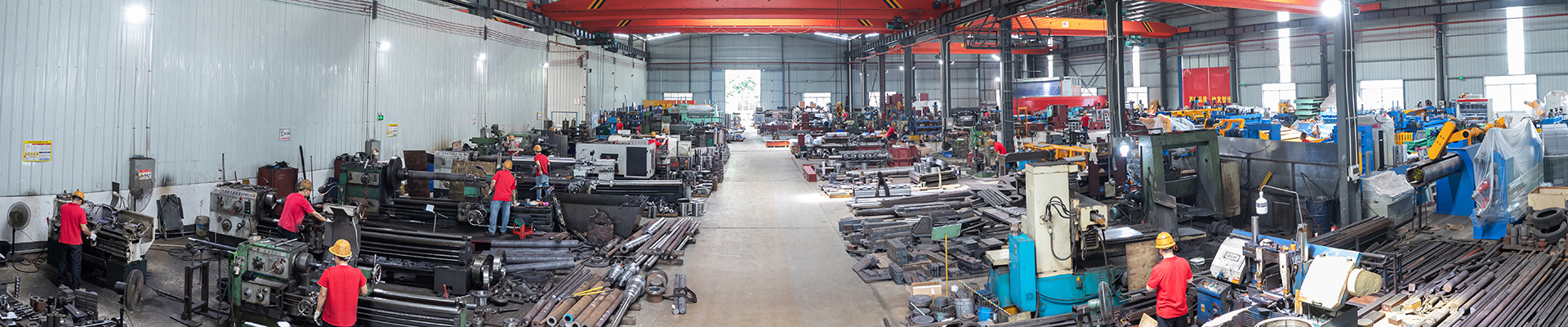

Unwinding Machine Solutions: Enhancing Precision in Metalworking Operations
Time:
2025-03-04 10:00
source:

Unwinding Machine Solutions: Enhancing Precision in Metalworking Operations
Table of Contents
- 1. Introduction to Unwinding Machines in Metalworking
- 2. Importance of Precision in Metalworking Operations
- 3. Types of Unwinding Machines
- 4. Advanced Technologies in Unwinding Machines
- 5. Benefits of Using Unwinding Machines
- 6. Applications of Unwinding Machines in Various Industries
- 7. Best Practices for Implementing Unwinding Machines
- 8. Frequently Asked Questions (FAQs)
- 9. Conclusion
1. Introduction to Unwinding Machines in Metalworking
The integration of unwinding machines into metalworking operations represents a pivotal advancement in manufacturing technology. These machines are designed to facilitate the unwinding of materials such as coils, rolls, and strips, making them essential for a diverse range of applications. In the context of metal processing, unwinding machines serve to streamline workflow, reduce waste, and enhance overall productivity.
2. Importance of Precision in Metalworking Operations
Precision in metalworking is not merely a goal; it is a necessity. High levels of accuracy ensure that components fit together perfectly, minimizing errors that could lead to costly rework or material waste. Unwinding machines contribute significantly to this precision by ensuring that the materials are accurately fed into production lines. They help maintain consistent tension and alignment, which are critical factors in achieving high-quality results.
2.1 The Cost of Imprecision
Imprecise metalworking can result in significant financial repercussions. Companies must contend with increased material costs, labor inefficiencies, and delayed production schedules. By implementing unwinding machines, manufacturers can mitigate these risks and optimize their operations.
3. Types of Unwinding Machines
Unwinding machines come in various types, each tailored to specific needs within the metalworking industry. Understanding these types is crucial for identifying the right solution for your operations.
3.1 Manual Unwinding Machines
Manual unwinding machines require operators to control the unwinding process. While they are often less expensive, they can be labor-intensive and may not provide the same level of precision as automated solutions.
3.2 Automatic Unwinding Machines
Automatic unwinding machines are equipped with advanced technology that allows for precision control of material feeding. These machines can handle large volumes and are ideal for high-speed production environments.
3.3 Servo-driven Unwinding Machines
Servo-driven unwinding machines use servo motors to provide precise control over the unwinding process. This technology ensures consistent tension and speed, making it perfect for applications requiring high accuracy.
3.4 Dual Spindle Unwinding Machines
Dual spindle unwinding machines are designed for continuous operation. They allow one spool to unwind while the other is being loaded, minimizing downtime and enhancing productivity.
4. Advanced Technologies in Unwinding Machines
The latest unwinding machines incorporate advanced technologies that enhance their functionality and efficiency.
4.1 Smart Control Systems
Modern unwinding machines are equipped with smart control systems that utilize real-time data to optimize operation. These systems monitor tension, speed, and material quality, ensuring that production runs smoothly.
4.2 Integration with Automation
Integration with automation systems allows unwinding machines to seamlessly connect with other machinery in the production line. This connectivity improves workflow and reduces manual intervention.
4.3 IoT Connectivity
Internet of Things (IoT) technology enables unwinding machines to communicate with other devices. This feature allows for remote monitoring and control, offering manufacturers greater flexibility and oversight.
5. Benefits of Using Unwinding Machines
Investing in unwinding machines yields numerous benefits that can substantially improve metalworking operations.
5.1 Increased Efficiency
Unwinding machines automate the feeding process, which significantly reduces the time and labor needed for setup. This efficiency allows manufacturers to focus on other critical areas of production.
5.2 Enhanced Precision
The integration of advanced technology ensures that materials are fed at the correct speed and tension, minimizing errors and enhancing the quality of finished products.
5.3 Reduced Waste
By maintaining optimal tension and alignment, unwinding machines help to reduce material waste. This contributes to cost savings and a more sustainable manufacturing process.
5.4 Improved Safety
Automated unwinding machines are designed with safety features that protect operators from potential hazards, making the workplace safer.
6. Applications of Unwinding Machines in Various Industries
Unwinding machines are versatile tools that find applications across multiple industries, including:
6.1 Automotive Industry
In the automotive sector, unwinding machines are used for processing metal sheets that are essential for manufacturing vehicle components.
6.2 Aerospace Industry
The aerospace industry relies on precision metalworking, where unwinding machines are crucial for handling delicate materials used in aircraft construction.
6.3 Electrical Equipment Manufacturing
Unwinding machines facilitate the production of electrical components by ensuring that conductive materials are processed accurately.
6.4 Construction
In construction, unwinding machines are employed to manipulate materials used in structural applications, ensuring that components meet stringent safety standards.
7. Best Practices for Implementing Unwinding Machines
To maximize the benefits of unwinding machines, manufacturers should adhere to best practices during implementation.
7.1 Conduct a Needs Assessment
Before investing in unwinding machines, conduct a thorough assessment of your operational needs to determine the most suitable type of machine.
7.2 Invest in Training
Proper training for operators is essential to ensure that unwinding machines are used effectively and safely.
7.3 Regular Maintenance
Establish a maintenance schedule to keep unwinding machines in optimal condition. Regular maintenance prevents breakdowns and enhances longevity.
7.4 Monitor Performance
Utilize monitoring systems to track the performance of unwinding machines. This data can help identify areas for improvement and enhance overall efficiency.
8. Frequently Asked Questions (FAQs)
8.1 What materials can unwinding machines handle?
Unwinding machines can handle various materials, including metal coils, strips, and rolls. Their adaptability makes them suitable for different metalworking applications.
8.2 How do I choose the right unwinding machine for my operations?
Consider factors such as production volume, material type, and required precision. A needs assessment can help determine the best fit.
8.3 What maintenance is required for unwinding machines?
Regular inspections, lubrication of moving parts, and calibration of sensors are essential maintenance tasks to ensure peak performance.
8.4 Can unwinding machines be integrated with existing production lines?
Yes, many modern unwinding machines are designed for easy integration with existing automated systems, enhancing workflow.
8.5 What are the safety features of unwinding machines?
Most unwinding machines come equipped with safety guards, emergency stop buttons, and sensors to prevent accidents during operation.
9. Conclusion
Unwinding machines are indispensable solutions that enhance precision and efficiency in metalworking operations. By adopting these advanced technologies, manufacturers can optimize their workflows, reduce waste, and improve the quality of their products. As industries continue to evolve, investing in unwinding machines will not only provide immediate benefits but will also position manufacturers for long-term success in an increasingly competitive market. Embrace the future of metalworking and leverage unwinding machines to transform your operations today.
Related news
Hotline:
Address:Baishaqiao Industrial Zone, Shishan Town, Nanhai District, Foshan, China
Tel:+86-18823293989
Tel:+86-13929966249
Tel:+86-757-86698198
Email:1174934194@qq.com
COPYRIGHT © 2023 Guangdong Quanfa Intelligent Equipment Co.Ltd.
Address:Baishaqiao Industrial Zone, Shishan Town, Nanhai District, Foshan, China
Tel:+86-18823293989
Tel:+86-13929966249
Tel:+86-757-86698198
Email:1174934194@qq.com
Swipe to add WeChat
Swipe to add WeChat
Swipe to add WhatsApp