
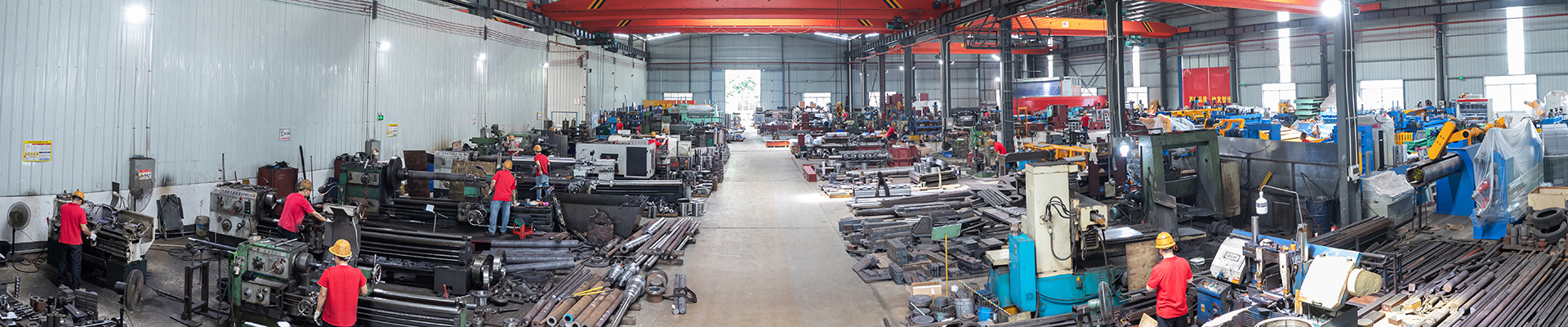

Understanding the Functionality and Benefits of Straightening Machines in Metal Processing
Time:
2025-02-27 10:00
source:

Straightening machines are pivotal equipment in the realm of metal processing, specifically designed to refine and correct the geometry of metallic materials. These machines are instrumental in ensuring that metal components acquire the desired flatness and straightness, which are critical for subsequent operations and overall product quality. The functionality of straightening machines revolves around their ability to apply specific pressure and force on bent or warped materials, effectively reshaping them to meet exact specifications.
One of the primary advantages of utilizing straightening machines is the enhancement of product quality. In many manufacturing scenarios, raw metal products may not meet the necessary standards due to inherent stresses from fabrication processes or handling. By employing a straightening machine, manufacturers can alleviate these stresses, thereby improving the structural integrity and aesthetic appeal of the final product. This is particularly important in industries where precision is paramount, such as automotive or aerospace manufacturing.
Moreover, straightening machines contribute to increased efficiency in the production line. By automating the straightening process, manufacturers reduce the need for manual labor and minimize the risk of human error. This leads to a more streamlined workflow and enables workers to focus on other critical tasks, ultimately enhancing overall productivity. Additionally, the use of straightening machines can significantly reduce material waste, as bent components can be salvaged and reformed rather than discarded.
When considering the implementation of straightening machines, it is crucial for professionals to assess various factors, including the type of materials being processed, the desired level of straightness, and the machine's capacity. Different straightening machines are available to accommodate a wide range of metal types, such as steel, aluminum, and copper, each requiring tailored approaches. Furthermore, understanding the machine's operational parameters—such as pressure settings, feed rates, and cycle times—can optimize performance and outcomes.
In conclusion, straightening machines serve as a vital component in the metal processing industry, enabling manufacturers to achieve high-quality, straightened materials efficiently. By understanding their functionality, advantages, and operational considerations, professionals can better leverage this technology to meet production demands and enhance product quality. Investing in the right straightening machine can lead to significant improvements in both the manufacturing process and the final output, ultimately benefiting the entire production ecosystem.
One of the primary advantages of utilizing straightening machines is the enhancement of product quality. In many manufacturing scenarios, raw metal products may not meet the necessary standards due to inherent stresses from fabrication processes or handling. By employing a straightening machine, manufacturers can alleviate these stresses, thereby improving the structural integrity and aesthetic appeal of the final product. This is particularly important in industries where precision is paramount, such as automotive or aerospace manufacturing.
Moreover, straightening machines contribute to increased efficiency in the production line. By automating the straightening process, manufacturers reduce the need for manual labor and minimize the risk of human error. This leads to a more streamlined workflow and enables workers to focus on other critical tasks, ultimately enhancing overall productivity. Additionally, the use of straightening machines can significantly reduce material waste, as bent components can be salvaged and reformed rather than discarded.
When considering the implementation of straightening machines, it is crucial for professionals to assess various factors, including the type of materials being processed, the desired level of straightness, and the machine's capacity. Different straightening machines are available to accommodate a wide range of metal types, such as steel, aluminum, and copper, each requiring tailored approaches. Furthermore, understanding the machine's operational parameters—such as pressure settings, feed rates, and cycle times—can optimize performance and outcomes.
In conclusion, straightening machines serve as a vital component in the metal processing industry, enabling manufacturers to achieve high-quality, straightened materials efficiently. By understanding their functionality, advantages, and operational considerations, professionals can better leverage this technology to meet production demands and enhance product quality. Investing in the right straightening machine can lead to significant improvements in both the manufacturing process and the final output, ultimately benefiting the entire production ecosystem.
Related news
Hotline:
Address:Baishaqiao Industrial Zone, Shishan Town, Nanhai District, Foshan, China
Tel:+86-18823293989
Tel:+86-13929966249
Tel:+86-757-86698198
Email:1174934194@qq.com
COPYRIGHT © 2023 Guangdong Quanfa Intelligent Equipment Co.Ltd.
Address:Baishaqiao Industrial Zone, Shishan Town, Nanhai District, Foshan, China
Tel:+86-18823293989
Tel:+86-13929966249
Tel:+86-757-86698198
Email:1174934194@qq.com
Swipe to add WeChat
Swipe to add WeChat
Swipe to add WhatsApp