
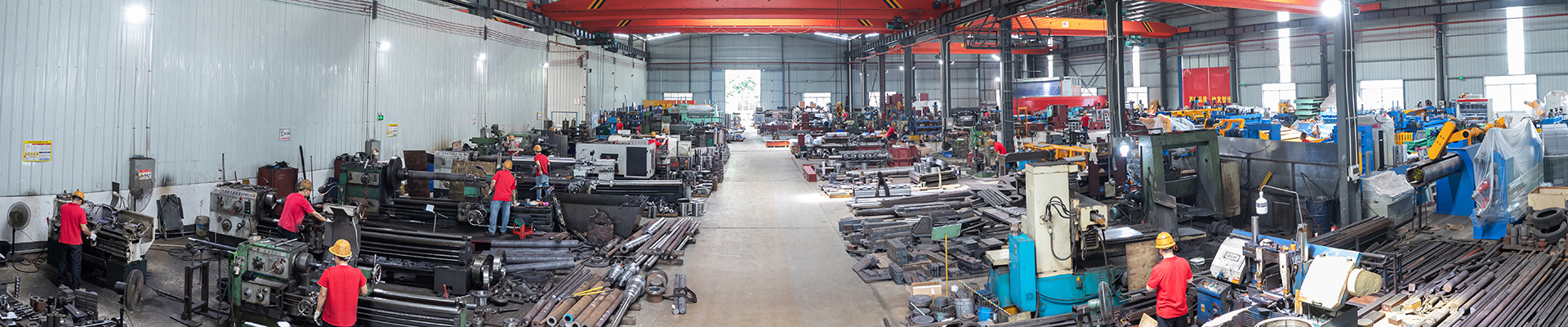

Enhancing Precision in Metal Fabrication with Cutting-Edge Receiving Machines
Time:
2025-01-25 10:40
source:

Enhancing Precision in Metal Fabrication with Cutting-Edge Receiving Machines
Table of Contents
- Introduction to Metal Fabrication and Receiving Machines
- The Importance of Precision in Metal Fabrication
- What Are Receiving Machines?
- How Cutting-Edge Receiving Machines Work
- Benefits of Cutting-Edge Receiving Machines in Metal Fabrication
- Applications of Receiving Machines in Various Industries
- Future Trends in Metal Fabrication Technology
- Implementing Receiving Machines in Your Operations
- FAQs
- Conclusion
Introduction to Metal Fabrication and Receiving Machines
Metal fabrication is a critical process in various industries, ranging from automotive to aerospace and manufacturing. The art of transforming raw metal into finished products requires precision, efficiency, and innovative technology. Among the latest advancements in this field are **cutting-edge receiving machines** designed to enhance the precision and quality of metal fabrication processes. These machines not only improve productivity but also ensure that the final products meet stringent quality standards.
In this article, we will delve into the pivotal role that receiving machines play in metal fabrication, exploring their functionality, benefits, applications, and future trends.
The Importance of Precision in Metal Fabrication
Precision is paramount in metal fabrication. Even the slightest deviation in measurements can result in significant issues downstream, leading to increased waste, higher costs, and delays. Industries that rely on metal components, such as automotive and aerospace, demand exceptional accuracy to ensure safety and functionality.
Key reasons why precision is essential in metal fabrication include:
1. **Safety**: High precision reduces the risk of component failure, which can have catastrophic consequences in critical applications.
2. **Cost Efficiency**: Accurate fabrication minimizes material waste and lowers production costs.
3. **Enhanced Product Quality**: Precision ensures that components fit together seamlessly, improving the overall quality of the finished product.
4. **Time Savings**: Reducing the need for rework and adjustments accelerates the production process.
By integrating cutting-edge receiving machines into their operations, manufacturers can dramatically enhance precision, contributing to improved overall performance.
What Are Receiving Machines?
Receiving machines are specialized pieces of equipment used in the metal fabrication process to accurately receive, inspect, and process raw materials. They are designed to ensure that incoming materials meet the necessary specifications before further processing begins.
Typically, receiving machines incorporate advanced technologies such as:
- **Automated Inspection Systems**: These systems use sensors and cameras to assess the quality and dimensions of incoming materials.
- **Data Analytics**: Many modern receiving machines utilize data analytics to track performance metrics and identify areas for improvement.
- **Real-Time Monitoring**: Continuous monitoring allows manufacturers to make adjustments on the fly, ensuring optimal performance.
Receiving machines play a crucial role in maintaining high standards in metal fabrication by ensuring that only materials that meet or exceed quality standards are processed.
How Cutting-Edge Receiving Machines Work
The operation of cutting-edge receiving machines involves several key processes designed to maximize efficiency and accuracy.
1. **Material Loading**: Incoming materials are loaded onto the receiving machine, either manually or automatically, depending on the machine's design.
2. **Inspection**: Advanced sensors and imaging technology scan the materials to check for defects, dimensions, and overall quality. This step is critical for ensuring that only suitable materials proceed to fabrication.
3. **Data Processing**: The machine collects data from the inspection process, which is then analyzed to determine if the material meets required specifications.
4. **Sorting and Storage**: Based on the inspection results, the machine sorts the materials into categories for further processing or storage.
5. **Reporting**: Many advanced receiving machines generate reports that provide insights into material quality, allowing manufacturers to make informed decisions about their inventory and production processes.
These steps contribute to a streamlined workflow, reducing the risk of human error and ensuring that metal fabrication processes start with high-quality inputs.
Benefits of Cutting-Edge Receiving Machines in Metal Fabrication
Integrating cutting-edge receiving machines into metal fabrication processes offers numerous advantages:
1. **Increased Accuracy**: With automated inspection and real-time monitoring, these machines significantly improve measurement accuracy, reducing the likelihood of defects.
2. **Enhanced Efficiency**: Automated processes speed up the workflow, allowing manufacturers to handle larger volumes of materials in less time.
3. **Cost Savings**: By minimizing waste and reducing the need for rework, companies can achieve substantial cost savings.
4. **Improved Quality Control**: Continuous monitoring and data analysis facilitate proactive quality control measures, enhancing the overall quality of the finished products.
5. **Scalability**: As production demands grow, cutting-edge receiving machines can be easily scaled to accommodate increased workloads without compromising performance.
These benefits position manufacturers to remain competitive in an increasingly demanding market.
Applications of Receiving Machines in Various Industries
Receiving machines find applications across multiple industries, including:
- **Automotive Manufacturing**: Ensuring that metal components meet stringent safety standards and specifications.
- **Aerospace Engineering**: Maintaining high levels of precision for critical components that require flawless execution.
- **Construction**: Streamlining the fabrication of metal structures, ensuring accurate measurements for safety and durability.
- **Electronics**: Handling precise metal parts used in various electronic devices, where accuracy is crucial for functionality.
Each of these industries benefits from the precision and efficiency that cutting-edge receiving machines provide, ultimately leading to higher quality products and optimized production processes.
Future Trends in Metal Fabrication Technology
The landscape of metal fabrication is constantly evolving, with several trends shaping its future:
1. **Increased Automation**: As technology advances, more manufacturers are adopting automated solutions to enhance precision and efficiency further.
2. **Artificial Intelligence and Machine Learning**: AI-driven analytics are becoming a fundamental part of quality control, enabling real-time adjustments and predictive maintenance.
3. **Sustainability Practices**: The push for eco-friendly practices is driving innovations in metal fabrication, from energy-efficient machines to recycling initiatives.
4. **Advanced Materials**: The development of new alloys and composites is expanding the possibilities for metal fabrication, requiring even more precise handling and processing techniques.
Staying ahead of these trends will be crucial for manufacturers looking to maintain their competitive edge in the market.
Implementing Receiving Machines in Your Operations
Integrating cutting-edge receiving machines into your metal fabrication operations requires careful planning and execution. Here are some steps to consider:
1. **Assess Your Needs**: Evaluate your current operations to identify areas where receiving machines can provide the most benefit.
2. **Research Available Technologies**: Explore various receiving machine models and their capabilities to find the best fit for your manufacturing processes.
3. **Train Your Staff**: Provide comprehensive training for your staff to ensure they understand how to operate and maintain the receiving machines effectively.
4. **Monitor Performance**: After implementation, continuously monitor the performance of the machines and make adjustments as necessary to optimize efficiency and precision.
By following these steps, manufacturers can successfully integrate cutting-edge receiving machines into their operations, leading to improved precision and overall performance.
FAQs
1. What is the primary function of receiving machines in metal fabrication?
The primary function of receiving machines is to inspect and process incoming materials, ensuring they meet specific quality and dimensional standards before further fabrication.
2. How do cutting-edge receiving machines improve precision?
Cutting-edge receiving machines improve precision through automated inspection systems and real-time monitoring, which minimize human error and enhance measurement accuracy.
3. In which industries are receiving machines commonly used?
Receiving machines are commonly used in various industries, including automotive, aerospace, construction, and electronics.
4. What are the key benefits of using receiving machines?
Key benefits include increased accuracy, enhanced efficiency, cost savings, improved quality control, and scalability.
5. What future trends should I be aware of in metal fabrication technology?
Future trends include increased automation, the use of artificial intelligence and machine learning, sustainability practices, and the development of advanced materials.
Conclusion
As the metal fabrication industry continues to evolve, the integration of cutting-edge receiving machines stands out as a critical advancement. These machines enhance precision, efficiency, and overall product quality, ensuring manufacturers can meet the ever-increasing demands of modern industries. By adopting these technologies, companies can not only streamline their operations but also position themselves as leaders in a competitive market. Embracing the future of metal fabrication technology is essential for sustainable growth and success in an increasingly intricate manufacturing landscape.
Related news
Hotline:
Address:Baishaqiao Industrial Zone, Shishan Town, Nanhai District, Foshan, China
Tel:+86-18823293989
Tel:+86-13929966249
Tel:+86-757-86698198
Email:1174934194@qq.com
COPYRIGHT © 2023 Guangdong Quanfa Intelligent Equipment Co.Ltd.
Address:Baishaqiao Industrial Zone, Shishan Town, Nanhai District, Foshan, China
Tel:+86-18823293989
Tel:+86-13929966249
Tel:+86-757-86698198
Email:1174934194@qq.com
Swipe to add WeChat
Swipe to add WeChat
Swipe to add WhatsApp