
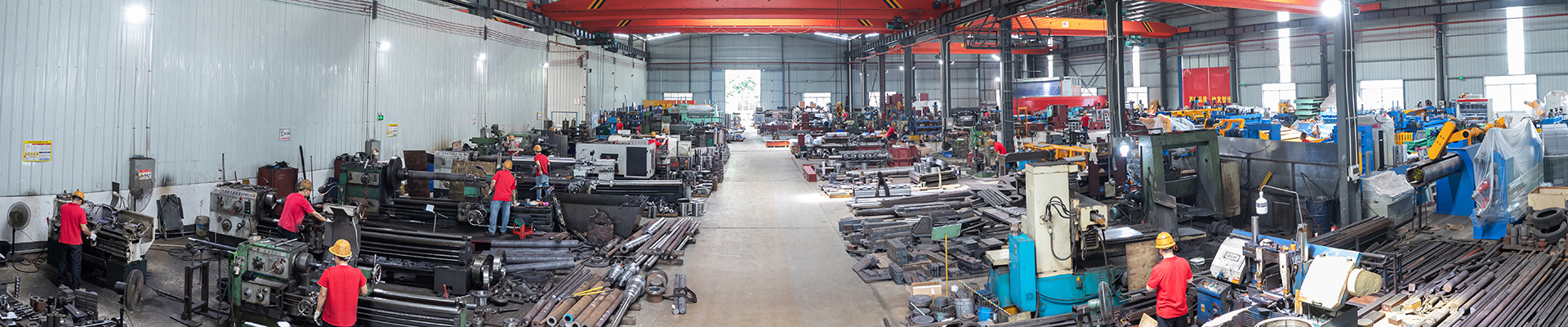

Maximizing Productivity: The Critical Role of Transverse Cutting Machines in Metalworking
Time:
2025-01-23 12:00
source:

Maximizing Productivity: The Critical Role of Transverse Cutting Machines in Metalworking
Table of Contents
- 1. Introduction to Transverse Cutting Machines
- 2. Understanding Transverse Cutting in Metal Processing
- 3. Benefits of Using Transverse Cutting Machines
- 4. Key Features of Modern Transverse Cutting Machines
- 5. Best Practices for Using Transverse Cutting Machines
- 6. Choosing the Right Transverse Cutting Machine for Your Needs
- 7. Case Studies and Industry Applications
- 8. FAQs about Transverse Cutting Machines
- 9. Conclusion
1. Introduction to Transverse Cutting Machines
Transverse cutting machines are transforming the landscape of metalworking and manufacturing. In the competitive world of industrial processing, maximizing productivity is crucial for success. These machines are designed to streamline the cutting process, offering precision and efficiency that can significantly reduce waste and improve turnaround times.
Transverse cutting, as the name suggests, involves cutting materials perpendicular to their length, making it an essential technique in a variety of applications. As industries look for ways to enhance their operations, understanding the role of transverse cutting machines becomes vital.
2. Understanding Transverse Cutting in Metal Processing
Transverse cutting is a specialized technique predominantly used in metal processing. The method is characterized by its ability to create clean, precise cuts on various materials, including steel, aluminum, and other metals. This versatility makes transverse cutting machines a fundamental asset in any metal fabrication facility.
These machines operate by using a high-speed blade or laser to slice through materials, allowing for intricate designs and patterns. In applications where accuracy is paramount, such as aerospace and automotive manufacturing, the precision provided by transverse cutting is invaluable.
3. Benefits of Using Transverse Cutting Machines
The incorporation of transverse cutting machines into manufacturing workflows brings numerous benefits:
3.1 Increased Efficiency
Transverse cutting machines operate at high speeds, significantly reducing the time required for cutting tasks. This efficiency translates into higher production rates, allowing businesses to meet demand without compromising quality.
3.2 Enhanced Precision
With advanced technologies, these machines provide exceptional accuracy, ensuring that each cut is consistent and meets the required specifications. This precision minimizes errors, reducing material waste and rework.
3.3 Versatility
Transverse cutting machines are adaptable to various materials and thicknesses. This versatility allows manufacturers to handle different projects without needing multiple machines, streamlining operations and reducing overhead costs.
3.4 Improved Safety Features
Modern transverse cutting machines are equipped with multiple safety features that protect operators and reduce the risk of accidents during operation. These advancements encourage a safer work environment.
4. Key Features of Modern Transverse Cutting Machines
When evaluating transverse cutting machines, several key features should be considered:
4.1 High-Quality Blades
The quality of the cutting blade is paramount. High-speed steel or carbide blades are preferable, as they maintain sharpness longer and provide cleaner cuts.
4.2 CNC Technology
Many modern transverse cutting machines incorporate Computer Numerical Control (CNC) technology, enabling automated and precise cutting processes. This technology enhances repeatability and reduces manual errors.
4.3 User-Friendly Interfaces
Intuitive user interfaces are essential for efficient operation. Modern machines often include touchscreens and programmable settings, making it easier for operators to adjust parameters on-the-fly.
4.4 Compact Design
A compact design allows for easier integration into existing workshops and maximizes available space. This is particularly beneficial for smaller manufacturing facilities.
5. Best Practices for Using Transverse Cutting Machines
To maximize productivity and efficiency with transverse cutting machines, consider the following best practices:
5.1 Regular Maintenance
Conducting routine maintenance is critical for keeping machines in optimal condition. Regular checks on blades, lubrication, and electronic components can prevent downtime and costly repairs.
5.2 Operator Training
Investing in comprehensive training for operators ensures they understand how to use the machines effectively. A knowledgeable operator can optimize the cutting process and troubleshoot issues as they arise.
5.3 Material Preparation
Properly preparing materials before cutting can enhance precision and reduce waste. Ensure that materials are clean, dry, and free from any contaminants that could affect the cutting process.
5.4 Monitoring Performance
Tracking machine performance metrics helps identify areas for improvement. Use data analytics to monitor production rates and identify any slowdowns or inefficiencies.
6. Choosing the Right Transverse Cutting Machine for Your Needs
Selecting the appropriate transverse cutting machine is crucial for achieving desired productivity levels. Here are key considerations:
6.1 Identify Your Requirements
Assess the types of materials you will be cutting, their thicknesses, and the desired cutting precision. This evaluation will help narrow your options.
6.2 Evaluate Machine Specifications
Look for machines that offer the necessary power and speed for your operations. Review their cutting capacity and the types of blades compatible with the machine.
6.3 Consider Brand Reputation
Research manufacturers and their reputations in the industry. A well-regarded brand with a track record of reliability often indicates higher quality machinery.
6.4 Explore Customer Reviews
Reading customer reviews provides insights into real-world performance and user experiences. Pay attention to feedback regarding machine reliability and customer support.
7. Case Studies and Industry Applications
Transverse cutting machines find applications across various industries. Here are a few notable case studies:
7.1 Aerospace Industry
In the aerospace sector, precision is critical. Companies utilize transverse cutting machines to manufacture complex parts with tight tolerances, ensuring safety and performance standards are met.
7.2 Automotive Manufacturing
The automotive industry benefits from the versatility of transverse cutting machines. From cutting chassis components to intricate interior parts, these machines enhance production efficiency and quality.
7.3 Metal Fabrication Shops
Metal fabrication facilities leverage transverse cutting for custom projects. The ability to handle different metals and thicknesses makes these machines indispensable for fabricators.
8. FAQs about Transverse Cutting Machines
8.1 What materials can transverse cutting machines handle?
Transverse cutting machines can handle a variety of materials, including steel, aluminum, brass, and plastics, depending on the machine specifications.
8.2 How often should I maintain my transverse cutting machine?
Routine maintenance should be performed regularly, ideally every few months, or as recommended by the manufacturer, to ensure optimal performance.
8.3 Can transverse cutting machines be used for custom projects?
Yes, transverse cutting machines are highly versatile and can be adapted for custom projects and specific cutting requirements.
8.4 Are transverse cutting machines safe to operate?
Modern transverse cutting machines are designed with safety features, but proper training and adherence to safety protocols are essential for safe operation.
8.5 How can I improve the efficiency of my cutting processes?
Improving efficiency can be achieved through regular maintenance, operator training, and by optimizing material preparation and machine settings.
9. Conclusion
Transverse cutting machines play an essential role in maximizing productivity within the metalworking industry. By leveraging advanced technologies, these machines offer improved efficiency, precision, and versatility, which are critical for meeting the demands of today’s manufacturing landscape.
Implementing best practices and selecting the right machines tailored to specific needs can significantly enhance operational workflows. Manufacturers looking to stay competitive must consider the integration of transverse cutting machines in their processes to achieve optimal results and long-term success.
Related news
Hotline:
Address:Baishaqiao Industrial Zone, Shishan Town, Nanhai District, Foshan, China
Tel:+86-18823293989
Tel:+86-13929966249
Tel:+86-757-86698198
Email:1174934194@qq.com
COPYRIGHT © 2023 Guangdong Quanfa Intelligent Equipment Co.Ltd.
Address:Baishaqiao Industrial Zone, Shishan Town, Nanhai District, Foshan, China
Tel:+86-18823293989
Tel:+86-13929966249
Tel:+86-757-86698198
Email:1174934194@qq.com
Swipe to add WeChat
Swipe to add WeChat
Swipe to add WhatsApp