
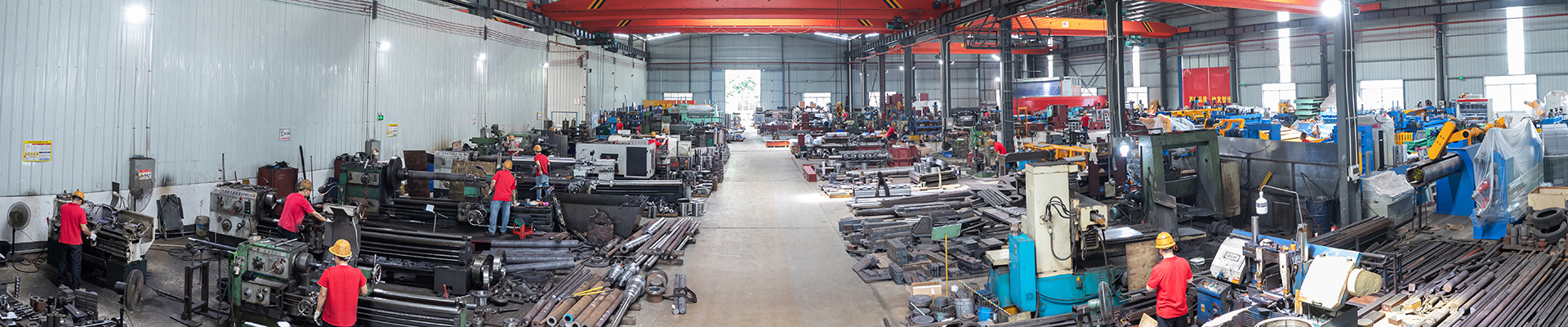

The Future of Metalworking: Innovations in Cross Cutting Technology
Time:
2025-01-17 11:40
source:

The Future of Metalworking: Innovations in Cross Cutting Technology
Table of Contents
- 1. Introduction to Cross Cutting Technology
- 2. Historical Overview of Metalworking
- 3. Emerging Technologies in Cross Cutting
- 4. Robotics and Automation in Metalworking
- 5. The Role of Advanced Materials
- 6. Sustainability in Metalworking Processes
- 7. Future Trends in Cross Cutting Technology
- 8. FAQs About Cross Cutting Technology
- 9. Conclusion: The Future of Metalworking
1. Introduction to Cross Cutting Technology
Cross cutting technology plays a pivotal role in the metalworking industry, serving as a foundational method for shaping and sizing metal materials. This technique involves cutting metal across its grain, allowing for precision and versatility in various applications. As industries evolve, the demand for innovative solutions that enhance productivity and quality has led to significant advancements in cross cutting technology.
2. Historical Overview of Metalworking
To understand the future of cross cutting technology, we must first explore its historical context. Metalworking has roots dating back thousands of years, from the ancient smelting of ores to the sophisticated machining processes we see today. The evolution of tools, materials, and techniques has paved the way for modern advancements, enabling manufacturers to achieve greater accuracy and efficiency.
The Evolution of Cross Cutting Techniques
In the early days of metalworking, cross cutting was performed manually using rudimentary tools. As technology progressed, mechanized saws and cutting machines emerged, revolutionizing the process. The introduction of computer numerical control (CNC) technology further transformed cross cutting, allowing for automated precision cuts that were previously unimaginable.
3. Emerging Technologies in Cross Cutting
Recent innovations have propelled cross cutting technology into an exciting new era. These advancements not only enhance the speed and accuracy of cuts but also improve the overall quality of metal components.
Laser Cutting Technology
Laser cutting technology has emerged as a game-changer in the metalworking landscape. Utilizing focused laser beams to cut through various materials, laser cutting offers exceptional precision and the ability to create intricate designs with minimal waste. This technology has gained popularity in industries such as aerospace, automotive, and manufacturing due to its versatility and accuracy.
Waterjet Cutting Technology
Another groundbreaking method is waterjet cutting, which uses high-pressure water mixed with abrasive materials to cut through metal. This technique is particularly effective for thick materials and complex shapes, making it ideal for custom fabrication projects. Waterjet cutting is also environmentally friendly, as it produces minimal heat-affected zones and reduces the risk of material distortion.
4. Robotics and Automation in Metalworking
As cross cutting technology continues to advance, the integration of robotics and automation is becoming increasingly prevalent in metalworking processes. Automated systems enhance productivity by streamlining cutting operations and reducing human error.
Collaborative Robots (Cobots)
Collaborative robots, or cobots, are designed to work alongside human operators, enhancing efficiency without replacing the human touch. These robots can perform repetitive cutting tasks, allowing skilled workers to focus on more complex operations. The synergy between humans and cobots leads to improved overall performance and safety in the workplace.
Automated Material Handling Systems
In addition to cobots, automated material handling systems are transforming how materials are processed and moved within manufacturing facilities. These systems optimize workflow, reduce cycle times, and minimize the risk of damage during transport, further enhancing the efficiency of cross cutting operations.
5. The Role of Advanced Materials
The emergence of advanced materials is also influencing the future of cross cutting technology. Manufacturers are now utilizing specialized alloys and composites that offer enhanced performance characteristics.
High-Performance Alloys
High-performance alloys, such as titanium and nickel-based superalloys, exhibit superior strength and resistance to heat and corrosion. These materials require specialized cutting techniques to ensure precision and quality. Innovations in cutting tools and techniques are essential for effectively processing these advanced materials.
Composite Materials and Their Challenges
Composite materials, which combine two or more distinct materials, present unique challenges in cross cutting. The need for specialized cutting tools and techniques to handle these materials has led to ongoing research and development in the field, ensuring that metalworking remains at the forefront of innovation.
6. Sustainability in Metalworking Processes
Sustainability has become a critical focus in the metalworking industry, with an emphasis on reducing waste and minimizing environmental impact. Innovations in cross cutting technology are playing a significant role in achieving these goals.
Efficient Resource Utilization
Advanced cutting techniques, such as laser and waterjet cutting, maximize material utilization by minimizing waste during the cutting process. By optimizing designs and utilizing advanced software, manufacturers can reduce scrap rates and improve overall efficiency.
Recycling and Reusability of Materials
The trend towards sustainability also extends to the recycling and reuse of metal materials. Cross cutting technology is being utilized to process scrap metals and reintroduce them into the manufacturing cycle, contributing to a circular economy and reducing the demand for virgin materials.
7. Future Trends in Cross Cutting Technology
As we look to the future, several trends are shaping the landscape of cross cutting technology in metalworking.
Integration of Artificial Intelligence (AI)
The integration of AI in metalworking processes is poised to revolutionize cross cutting technology. AI algorithms can analyze production data in real-time, optimizing cutting parameters for enhanced efficiency and precision. This level of automation will lead to smarter manufacturing systems capable of adapting to changing demands.
Smart Factories and Industry 4.0
The advent of smart factories, driven by Industry 4.0 principles, is another significant trend. Cross cutting technology will increasingly rely on connectivity and data exchange among machines, operators, and supply chains. This interconnectedness will facilitate real-time monitoring, predictive maintenance, and proactive decision-making.
8. FAQs About Cross Cutting Technology
What is cross cutting technology in metalworking?
Cross cutting technology refers to methods used to cut metal across its grain, allowing for precise shaping and sizing in manufacturing processes. This includes techniques like laser cutting, waterjet cutting, and CNC machining.
How has technology improved cross cutting processes?
Technological advancements have enhanced the speed, accuracy, and efficiency of cross cutting processes. Innovations like laser and waterjet cutting provide exceptional precision and reduce material waste, while automation improves productivity.
What role do robotics play in metalworking?
Robotics play a crucial role in automating repetitive tasks within metalworking, such as cross cutting. Collaborative robots (cobots) work alongside human operators to enhance efficiency and safety in production environments.
Why is sustainability important in metalworking?
Sustainability is vital in metalworking to minimize environmental impact, reduce waste, and promote the recycling of materials. Innovations in cross cutting technology contribute to these goals by maximizing resource utilization and integrating recycling processes.
What are the future trends in cross cutting technology?
Future trends in cross cutting technology include the integration of artificial intelligence for process optimization, the development of smart factories under Industry 4.0 principles, and the continued evolution of advanced materials and cutting techniques.
9. Conclusion: The Future of Metalworking
The future of metalworking, particularly in the realm of cross cutting technology, is filled with promise and innovation. As we continue to advance our techniques and integrate new technologies, manufacturers can expect greater efficiency, precision, and sustainability in their processes. Embracing these innovations will not only enhance productivity but also ensure that the metalworking industry remains competitive and responsive to the evolving needs of the market. By staying at the forefront of technological advancements, we can collectively shape a brighter future for metalworking.
Related news
Hotline:
Address:Baishaqiao Industrial Zone, Shishan Town, Nanhai District, Foshan, China
Tel:+86-18823293989
Tel:+86-13929966249
Tel:+86-757-86698198
Email:1174934194@qq.com
COPYRIGHT © 2023 Guangdong Quanfa Intelligent Equipment Co.Ltd.
Address:Baishaqiao Industrial Zone, Shishan Town, Nanhai District, Foshan, China
Tel:+86-18823293989
Tel:+86-13929966249
Tel:+86-757-86698198
Email:1174934194@qq.com
Swipe to add WeChat
Swipe to add WeChat
Swipe to add WhatsApp