
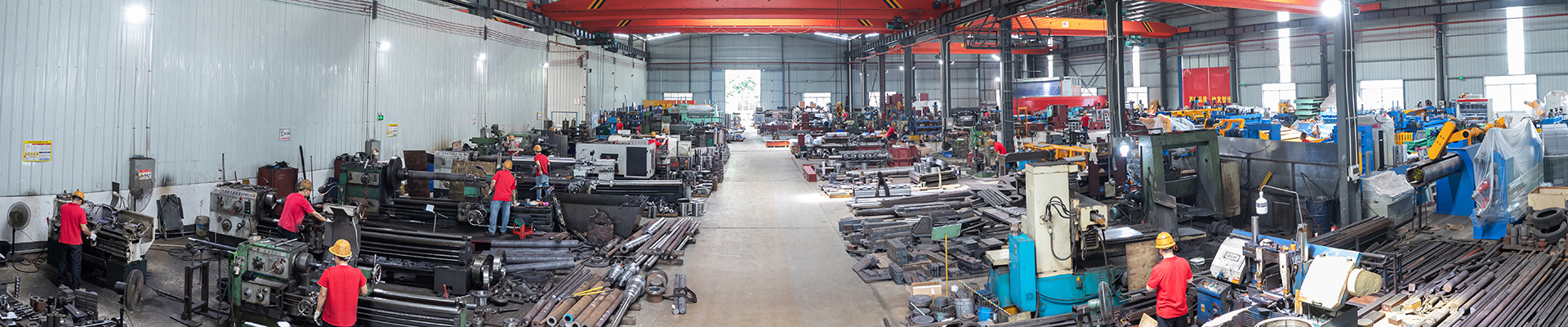

Enhancing Productivity: Best Practices for Sheet Metal Coil Cutting Machines
Time:
2025-01-13 11:00
source:

Enhancing Productivity: Best Practices for Sheet Metal Coil Cutting Machines
Table of Contents
1. Introduction to Sheet Metal Coil Cutting Machines
2. Understanding the Importance of Coil Cutting in Manufacturing
3. Types of Sheet Metal Coil Cutting Machines
4. Best Practices for Operating Coil Cutting Machines
4.1 Proper Setup and Calibration
4.2 Material Handling Techniques
4.3 Speed and Feed Rate Optimization
5. Regular Maintenance and Inspection Protocols
6. Training and Skill Development for Operators
7. Incorporating Technology for Enhanced Efficiency
8. Safety Measures to Consider in Coil Cutting Operations
9. Frequently Asked Questions (FAQs)
10. Conclusion
1. Introduction to Sheet Metal Coil Cutting Machines
Sheet metal coil cutting machines are vital tools in modern manufacturing. They streamline the production process by converting large rolls of metal into manageable sheets. With advancements in technology, these machines have evolved to enhance precision and reduce waste. Understanding how to effectively operate these machines can significantly boost productivity.
2. Understanding the Importance of Coil Cutting in Manufacturing
The coil cutting process is crucial for various industries, including automotive, aerospace, and construction. By efficiently cutting coils, manufacturers can ensure that they produce parts that meet specifications while minimizing material waste. Moreover, effective coil cutting contributes to faster turnaround times and improved overall production efficiency.
3. Types of Sheet Metal Coil Cutting Machines
Several types of sheet metal coil cutting machines exist, each designed for specific applications. The most common types include:
- **Mechanical Shears:** Known for their simplicity and effectiveness, these machines are ideal for straight cuts.
- **Laser Cutters:** Offering high precision, laser cutters are perfect for intricate designs and high-speed cutting.
- **Plasma Cutters:** Suitable for thicker materials, plasma cutters provide flexibility in cutting various shapes.
- **Water Jet Cutters:** Utilizing high-pressure water, these machines are great for cutting sensitive materials without thermal distortion.
4. Best Practices for Operating Coil Cutting Machines
To maximize the efficiency of sheet metal coil cutting machines, adhering to certain best practices is essential.
4.1 Proper Setup and Calibration
Before commencing any operation, ensure that the machine is properly set up and calibrated. This includes adjusting the blade settings, ensuring the material is correctly positioned, and confirming that all safety measures are in place. Regular calibration helps maintain cutting precision and reduces the likelihood of errors.
4.2 Material Handling Techniques
Effective material handling plays a crucial role in the cutting process. Ensure that coils are stored properly to avoid damage and that operators utilize appropriate lifting techniques to prevent injuries. Employing automated handling systems can further enhance safety and efficiency.
4.3 Speed and Feed Rate Optimization
Adjusting the speed and feed rate based on the material type and thickness can significantly impact productivity. Conducting tests to determine the optimal settings can lead to faster cutting times and improved quality.
5. Regular Maintenance and Inspection Protocols
Routine maintenance is key to ensuring the longevity and efficiency of coil cutting machines. Establish a comprehensive maintenance schedule that includes regular inspections, cleaning, and part replacements.
- **Inspect Blades:** Regularly examine blades for wear and tear, replacing them when necessary to maintain cutting quality.
- **Lubrication:** Keep moving parts well-lubricated to prevent friction-related damage and ensure smooth operation.
- **Calibration Checks:** Periodic calibration checks are essential for maintaining accuracy over time.
6. Training and Skill Development for Operators
Investing in continuous training for machine operators can yield significant returns. Operators should be well-versed in both the technical and safety aspects of machine operation. Conducting workshops and providing access to resources can enhance their skills and confidence.
7. Incorporating Technology for Enhanced Efficiency
Modern technology can play a pivotal role in enhancing the efficiency of sheet metal coil cutting operations.
- **Automation:** Implementing automated systems for cutting, handling, and even quality inspection can drastically reduce manual labor and increase output.
- **Software Solutions:** Utilize cutting optimization software that calculates the most efficient cutting patterns, reducing waste and saving time.
8. Safety Measures to Consider in Coil Cutting Operations
Safety should always be a priority in any manufacturing setting. Several measures can be taken to ensure a safe working environment:
- **Protective Gear:** Ensure that all operators wear appropriate safety gear, including gloves, goggles, and hearing protection.
- **Emergency Protocols:** Regularly review and practice emergency procedures to ensure that all employees know how to respond in case of an accident.
- **Regular Safety Audits:** Conduct regular safety audits to identify potential hazards and address them proactively.
9. Frequently Asked Questions (FAQs)
What materials can be cut using a coil cutting machine?
Coil cutting machines can typically handle a variety of materials, including steel, aluminum, and copper.
How often should I perform maintenance on my cutting machine?
Maintenance should be performed regularly, with a detailed inspection at least once a month, depending on usage.
What safety measures should operators follow while using these machines?
Operators should use protective equipment, follow proper handling procedures, and be trained in emergency protocols.
Can automation improve the efficiency of coil cutting operations?
Yes, automation can significantly reduce manual labor, enhance precision, and increase overall productivity.
What are the key factors affecting the cutting speed of a coil cutting machine?
Material thickness, type, blade condition, and machine calibration are critical factors that influence cutting speed.
10. Conclusion
In conclusion, enhancing productivity with sheet metal coil cutting machines requires a multifaceted approach. By implementing best practices in operation, maintenance, and safety, manufacturers can achieve remarkable efficiency in their processes. Investing in technology and training further amplifies these efforts, setting the stage for a more productive and profitable operation. Embracing these strategies not only optimizes performance but also ensures a safer working environment for all employees.
Related news
Hotline:
Address:Baishaqiao Industrial Zone, Shishan Town, Nanhai District, Foshan, China
Tel:+86-18823293989
Tel:+86-13929966249
Tel:+86-757-86698198
Email:1174934194@qq.com
COPYRIGHT © 2023 Guangdong Quanfa Intelligent Equipment Co.Ltd.
Address:Baishaqiao Industrial Zone, Shishan Town, Nanhai District, Foshan, China
Tel:+86-18823293989
Tel:+86-13929966249
Tel:+86-757-86698198
Email:1174934194@qq.com
Swipe to add WeChat
Swipe to add WeChat
Swipe to add WhatsApp