
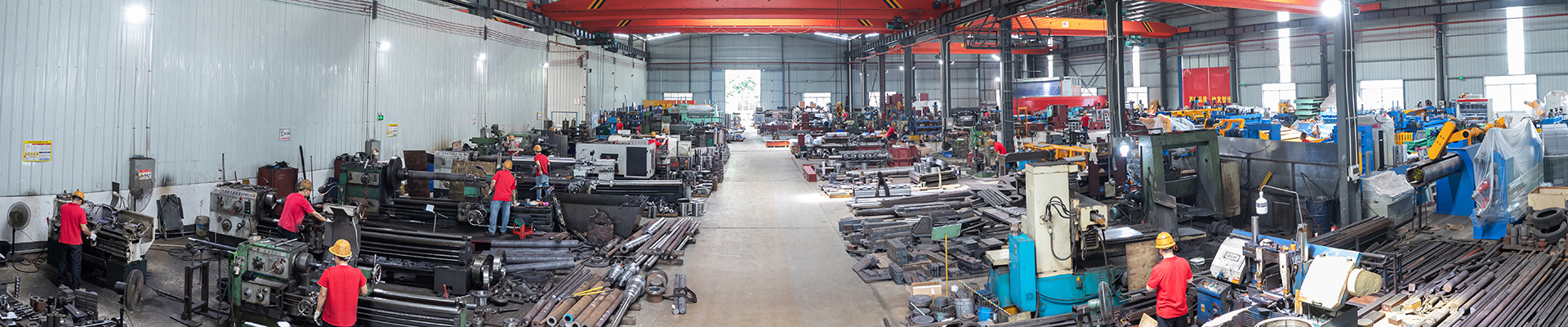

Maximizing Output with Advanced Wire Straightening Machinery: Unleashing the Potential of Industrial Operations
Time:
2025-01-05 12:20
source:

Maximizing Output with Advanced Wire Straightening Machinery
Table of Contents
- Understanding Wire Straightening Machinery
- Benefits of Advanced Wire Straightening Machinery
- Key Features to Look For
- How Wire Straightening Machinery Works
- Industrial Applications of Wire Straightening
- Best Practices for Implementing Wire Straightening Machinery
- Maintaining Wire Straightening Machinery
- Future Trends in Wire Straightening Technology
- FAQs About Wire Straightening Machinery
Understanding Wire Straightening Machinery
Wire straightening machinery plays a crucial role in the manufacturing and metalworking industries, where precision and efficiency are fundamental to success. These machines are designed to straighten and cut wire materials, ensuring that they meet specific tolerances and standards required for various applications. Advanced wire straightening technology has revolutionized how businesses approach their production processes, enabling them to achieve higher levels of accuracy and consistency.
The Evolution of Wire Straightening Technology
Historically, wire straightening was performed manually or with basic mechanical devices. However, advancements in technology have led to the development of sophisticated machinery that employs automation, computerized controls, and advanced materials. This evolution has significantly improved the quality of straightened wire, reduced production times, and minimized labor costs.
Benefits of Advanced Wire Straightening Machinery
Investing in advanced wire straightening machinery provides numerous advantages that directly impact productivity and operational efficiency.
Enhanced Precision and Quality
Modern wire straightening machines utilize cutting-edge technology to ensure precision in straightening and cutting wire. This results in a higher quality of output, which is essential for industries that require strict adherence to dimensional specifications.
Increased Productivity
By automating the wire straightening process, businesses can significantly increase their production rates. Advanced machinery operates more quickly than manual labor, allowing for a substantial reduction in lead times and increased throughput.
Cost-Effectiveness
Though the initial investment in advanced machinery may be substantial, the long-term savings in labor costs, material waste, and production time often justify the expenditure. Efficient wire straightening reduces the amount of scrap produced, making processes more economical.
Improved Safety
Automation reduces the need for manual handling of wire, lowering the risk of workplace injuries. Advanced machines incorporate safety features that protect operators and ensure a safer working environment.
Key Features to Look For
When selecting wire straightening machinery, certain features can greatly influence efficiency and performance.
Automation and Control Systems
Modern wire straightening machines should include advanced automation features such as programmable logic controllers (PLCs) and user-friendly interfaces. These systems enable operators to set parameters easily, streamline operations, and monitor performance in real time.
Material Compatibility
Ensure that the machinery can handle a variety of wire materials, including steel, aluminum, and copper. A versatile machine can adapt to different production needs, saving time and resources.
Speed and Efficiency
The speed at which the machine can process wire is vital. Look for models that can operate at high speeds without sacrificing precision, maximizing output while maintaining quality.
Maintenance and Durability
Durability is crucial for machinery that will be used extensively in industrial settings. Opt for machines built with high-quality materials and designed for easy maintenance to reduce downtime.
How Wire Straightening Machinery Works
Understanding the operational mechanics of wire straightening machinery can help businesses leverage its capabilities effectively.
Feeding Mechanism
The wire is fed into the machine through a feeding mechanism, which can include rollers or straighteners that ensure the wire is aligned correctly before the straightening process begins.
Straightening Process
Once the wire is fed into the machine, it passes through a series of rollers or straightening devices that apply controlled pressure. This process alters the wire's structure, removing bends and curves to achieve a straightened product.
Cutting Mechanism
After the wire is straightened, it is often cut to specific lengths as determined by the production requirements. Advanced machines can execute precise cuts, ensuring that each piece meets the desired specifications.
Industrial Applications of Wire Straightening
Wire straightening machinery finds applications across various industries, from automotive manufacturing to construction.
Automotive Industry
In the automotive sector, straightened wire is essential for producing components such as springs, frames, and other structural elements. The demand for precision is critical, making advanced wire straightening machinery indispensable.
Construction and Civil Engineering
Construction projects often require high-quality wire for reinforcement in concrete structures. Straightened wire ensures that these elements meet safety and durability standards.
Electronics Manufacturing
In electronics, straightened wire is used for components such as connectors and coils. The need for precision in these applications makes the use of advanced machinery vital.
Best Practices for Implementing Wire Straightening Machinery
To fully leverage the benefits of wire straightening machinery, businesses should follow best practices during implementation.
Training Operators
Investing in thorough training for operators ensures they understand how to use the machinery effectively and safely. This training should cover both operational techniques and maintenance protocols.
Regular Maintenance
Establishing a routine maintenance schedule is crucial for keeping machinery running smoothly. Regular inspections can prevent costly breakdowns and extend the lifespan of the equipment.
Monitoring Performance Metrics
Implementing performance metrics can help businesses identify areas for improvement. By regularly assessing output quality, production speed, and downtime, companies can optimize their processes.
Maintaining Wire Straightening Machinery
Proper maintenance practices are essential to ensure that wire straightening machinery operates efficiently over time.
Cleaning and Lubrication
Regular cleaning and lubrication of moving parts prevents friction and wear, ensuring that the machinery remains in peak condition.
Inspection of Components
Regular inspections of vital components, such as rollers, cutting blades, and feeding mechanisms, can help identify wear and tear before they become significant issues.
Updating Software and Control Systems
Staying current with software updates and control systems improves functionality and can enhance the machine's capabilities, further increasing productivity.
Future Trends in Wire Straightening Technology
As technology continues to advance, the future of wire straightening machinery looks promising.
Integration of AI and Machine Learning
The integration of artificial intelligence (AI) and machine learning will enable smarter machines capable of adjusting operations based on real-time data. This will enhance precision and efficiency further.
Enhanced Automation
Future machines will likely incorporate even more automation features, reducing the need for manual intervention and allowing for higher production rates.
Sustainability Initiatives
As industries focus on sustainability, wire straightening technology will evolve to minimize waste and energy consumption, aligning with global environmental goals.
FAQs About Wire Straightening Machinery
1. What types of wire can be straightened using advanced machinery?
Advanced wire straightening machinery can handle various wire types, including steel, aluminum, copper, and other materials commonly used in industrial applications.
2. How does wire straightening machinery improve safety in industrial settings?
By automating processes and reducing manual handling, wire straightening machinery lowers the risk of workplace injuries, creating a safer environment for operators.
3. What maintenance is required for wire straightening machines?
Regular cleaning, lubrication, and inspection of components are essential for maintaining wire straightening machinery and ensuring optimal performance.
4. Can wire straightening machinery be customized for specific applications?
Many manufacturers offer customizable machines designed to meet the unique requirements of different industries and applications.
5. How can I assess the performance of my wire straightening machinery?
Monitoring performance metrics such as output quality, production speed, and downtime will help you assess the effectiveness of your wire straightening machinery.
Conclusion
Investing in advanced wire straightening machinery is a strategic decision that can significantly enhance productivity and efficiency in industrial operations. By understanding the technology, recognizing its benefits, and implementing best practices, businesses can maximize output while minimizing waste. As the industry continues to evolve, staying informed about trends and advancements will be key to maintaining a competitive edge. Embracing these innovations not only improves operational effectiveness but also aligns with broader goals of sustainability and safety in the workplace.
Related news
Hotline:
Address:Baishaqiao Industrial Zone, Shishan Town, Nanhai District, Foshan, China
Tel:+86-18823293989
Tel:+86-13929966249
Tel:+86-757-86698198
Email:1174934194@qq.com
COPYRIGHT © 2023 Guangdong Quanfa Intelligent Equipment Co.Ltd.
Address:Baishaqiao Industrial Zone, Shishan Town, Nanhai District, Foshan, China
Tel:+86-18823293989
Tel:+86-13929966249
Tel:+86-757-86698198
Email:1174934194@qq.com
Swipe to add WeChat
Swipe to add WeChat
Swipe to add WhatsApp