
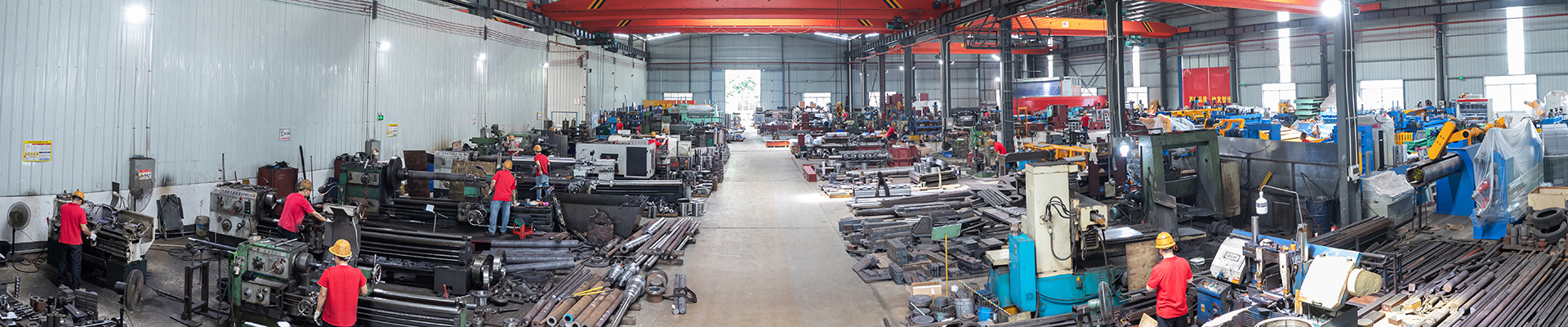

Metal Straightening Machine Applications in Various Industries: A Comprehensive Guide
Time:
2025-01-03 11:40
source:

Metal Straightening Machine Applications in Various Industries
Table of Contents
- Introduction to Metal Straightening Machines
- What is Metal Straightening?
- Types of Metal Straightening Machines
- Applications in the Aerospace Industry
- Applications in the Automotive Industry
- Applications in the Construction Industry
- Applications in the Manufacturing Industry
- Benefits of Metal Straightening Machines
- Future of Metal Straightening Technology
- Frequently Asked Questions
- Conclusion
Introduction to Metal Straightening Machines
Metal straightening machines play a pivotal role in multiple industries by ensuring that metal components meet precise specifications. These machines are designed to remove bends, twists, and other deformations in metal materials, thereby enhancing their usability in various applications. Understanding the various applications of metal straightening machines can provide invaluable insights into their importance in modern manufacturing processes.
What is Metal Straightening?
Metal straightening refers to the process of restoring bent or distorted metal components to their original shape. This process is critical in maintaining the integrity and performance of metal parts used in different applications. The need for metal straightening arises from various factors, including manufacturing defects, transportation damage, or wear and tear during usage. Using specialized machinery, manufacturers can ensure that metal components are free from defects, leading to improved performance and durability.
Types of Metal Straightening Machines
There are several types of metal straightening machines, each tailored to specific applications and types of metal. Here are some of the most common types:
1. Hydraulic Straightening Machines
Hydraulic straightening machines utilize hydraulic pressure to straighten metal components. These machines are particularly effective for heavy-duty applications, where significant force is required to correct deformation.
2. Mechanical Straightening Machines
Mechanical straightening machines operate using mechanical force to straighten metal pieces. They are often used for lighter materials and smaller components, providing a cost-effective solution for many manufacturing processes.
3. CNC Straightening Machines
Computer Numerical Control (CNC) straightening machines are equipped with advanced technology that allows for precise control and automation. These machines can handle a wide variety of metal shapes and sizes, making them versatile for different industries.
4. Manual Straightening Tools
Manual straightening tools are basic devices used for small repairs and adjustments. While they are not as efficient as automated machines, they remain essential for on-site applications and quick fixes.
Applications in the Aerospace Industry
The aerospace industry demands the highest standards of precision and quality. Metal straightening machines are crucial in this sector for the following reasons:
1. Component Integrity
In aerospace, even the slightest deformation can lead to catastrophic failures. Straightening machines ensure that metal components, such as landing gear and structural supports, maintain their integrity.
2. Weight Reduction
By straightening metal parts, manufacturers can achieve optimal weight reduction without compromising strength. This is vital in aerospace applications where weight plays a critical role in fuel efficiency.
3. Compliance with Regulations
The aerospace industry is heavily regulated, and metal straightening machines help manufacturers adhere to strict quality control measures, ensuring that all components meet safety standards.
Applications in the Automotive Industry
The automotive industry also relies heavily on metal straightening machines for several key applications:
1. Frame and Chassis Repair
Metal straightening machines are extensively used in auto body repair shops to restore bent frames and chassis, enabling vehicles to return to safe operating conditions.
2. Manufacturing Efficiency
In automotive manufacturing, straightened metal components are essential for assembly line processes. These machines facilitate the mass production of vehicles by ensuring all parts fit correctly.
3. Quality Assurance
By integrating straightening processes into the production line, automotive manufacturers can maintain a high level of quality assurance, reducing the likelihood of defects in finished products.
Applications in the Construction Industry
The construction industry benefits significantly from the use of metal straightening machines. Their applications include:
1. Structural Steel Fabrication
Metal straightening machines are essential in the fabrication of structural steel used in buildings and bridges. They ensure that beams, columns, and trusses are straight and uniform.
2. Reinforcement Bars
Straightening machines are also used to process reinforcement bars (rebar), which are critical for concrete structures. Properly straightened rebar ensures better bonding with concrete, enhancing structural integrity.
3. Enhanced Safety
Using straightened components in construction projects contributes to overall safety. Deformed materials can lead to structural failures, hence the necessity of utilizing straightening machines.
Applications in the Manufacturing Industry
Manufacturing is a broad field that encompasses a variety of applications for metal straightening machines:
1. Metal Fabrication
In metal fabrication, straightening machines are integral to producing custom metal parts. They ensure that components meet precise specifications, which is vital for both aesthetic and functional aspects.
2. Automotive Parts Manufacturing
Manufacturers of automotive parts utilize metal straightening machines to maintain the quality of components, thereby enhancing the overall performance of vehicles.
3. Tool and Die Manufacturing
In tool and die manufacturing, straightened metal parts are essential for creating molds and tools used in various production processes. This is crucial for achieving high tolerance levels in manufacturing.
Benefits of Metal Straightening Machines
The adoption of metal straightening machines offers numerous benefits across industries:
1. Improved Product Quality
By ensuring metal components are straight and free from defects, manufacturers can achieve higher product quality, leading to increased customer satisfaction.
2. Enhanced Efficiency
Automated metal straightening machines streamline production processes, reducing the time and labor required for manual corrections.
3. Cost Reduction
Investing in straightening machines can lead to significant cost savings by minimizing material waste and reducing the need for rework.
4. Versatility
Metal straightening machines come in various types, allowing them to handle different materials, shapes, and sizes, making them adaptable for various manufacturing needs.
Future of Metal Straightening Technology
As technology continues to advance, the future of metal straightening machines looks promising:
1. Integration of AI and Robotics
The integration of artificial intelligence and robotics into metal straightening processes will enhance precision and reduce human error, further improving product quality.
2. Smart Manufacturing
The concept of smart manufacturing will likely influence metal straightening machines, allowing for real-time monitoring and adjustments to optimize performance.
3. Sustainable Practices
With the growing emphasis on sustainability, future metal straightening machines may be designed to reduce energy consumption and minimize waste, aligning with environmental goals.
Frequently Asked Questions
1. What types of metal can be straightened using these machines?
Metal straightening machines can handle a variety of metals, including steel, aluminum, and copper, making them versatile for different applications.
2. How does a hydraulic straightening machine work?
A hydraulic straightening machine uses hydraulic pressure to apply force to bent metal, restoring it to its original shape through controlled movements.
3. Can metal straightening machines be used for large components?
Yes, many metal straightening machines are specifically designed to accommodate large components, such as those used in the construction and aerospace industries.
4. What is the average lifespan of a metal straightening machine?
The lifespan of a metal straightening machine can vary based on usage and maintenance, but with proper care, they can last for several years.
5. Are metal straightening machines expensive to operate?
While the initial investment can be significant, the operational costs are often offset by the efficiency gains and reduced waste they provide.
Conclusion
Metal straightening machines are indispensable tools in various industries, playing a critical role in ensuring the quality, integrity, and efficiency of metal components. From aerospace to automotive and construction, the applications of these machines are vast and essential for modern manufacturing processes. As technology continues to evolve, metal straightening machines will likely become even more efficient and versatile, further solidifying their importance in the industrial landscape. Investing in these machines not only enhances product quality but also contributes to cost savings and sustainability in manufacturing practices.
Related news
Hotline:
Address:Baishaqiao Industrial Zone, Shishan Town, Nanhai District, Foshan, China
Tel:+86-18823293989
Tel:+86-13929966249
Tel:+86-757-86698198
Email:1174934194@qq.com
COPYRIGHT © 2023 Guangdong Quanfa Intelligent Equipment Co.Ltd.
Address:Baishaqiao Industrial Zone, Shishan Town, Nanhai District, Foshan, China
Tel:+86-18823293989
Tel:+86-13929966249
Tel:+86-757-86698198
Email:1174934194@qq.com
Swipe to add WeChat
Swipe to add WeChat
Swipe to add WhatsApp