
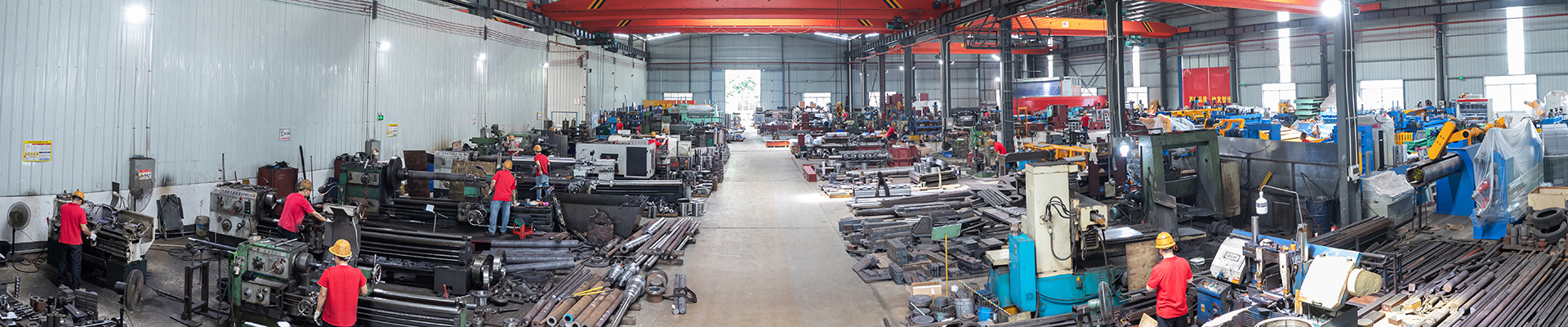

The Future of Metalworking: Innovations in Wheel Straightening Machines
Time:
2024-12-16 11:20
source:

The Future of Metalworking: Innovations in Wheel Straightening Machines
Table of Contents
- 1. Introduction to Wheel Straightening Machines
- 2. The Importance of Wheel Straightening in Metalworking
- 3. Technological Advancements in Wheel Straightening Machines
- 4. Types of Wheel Straightening Machines
- 5. Future Trends in Wheel Straightening Technology
- 6. Benefits of Innovations in Wheel Straightening Machines
- 7. Challenges and Solutions in Metalworking Innovations
- 8. Frequently Asked Questions
- 9. Conclusion
1. Introduction to Wheel Straightening Machines
In the world of metalworking, precision and efficiency are paramount. Wheel straightening machines play a crucial role in the automotive and manufacturing sectors, ensuring wheels are aligned correctly to enhance performance and safety. These machines are instrumental in correcting bends and warps in wheels, which, if left unaddressed, can lead to significant safety issues and operational inefficiencies.
The evolution of manufacturing technology has introduced numerous innovations to wheel straightening machines, upgrading their functionality and performance. This article delves into the various technological advancements that are shaping the future of wheel straightening machines and their importance in the metalworking landscape.
2. The Importance of Wheel Straightening in Metalworking
Wheel straightening is not merely a cosmetic repair; it is essential for maintaining the integrity and performance of vehicles and machinery. Misaligned wheels can lead to uneven tire wear, decreased fuel efficiency, and compromised handling. In industrial settings, misaligned wheels on machinery can cause operational delays and increase maintenance costs.
By investing in advanced wheel straightening machines, manufacturers can ensure that they produce high-quality products with longer lifespans. This investment not only saves costs in the long run but also enhances customer satisfaction by delivering reliable performance.
3. Technological Advancements in Wheel Straightening Machines
Recent innovations in wheel straightening technology include:
3.1. Automated Systems
Automation has revolutionized wheel straightening machines, allowing for precise adjustments with minimal human intervention. Automated systems utilize sensors and software to detect misalignments and automatically make the necessary corrections, significantly improving efficiency.
3.2. Digital Measurement Tools
Digital measurement tools provide real-time data on wheel alignment, allowing operators to make informed decisions quickly. These tools enhance accuracy, reducing the likelihood of human error and ensuring that wheels meet stringent standards.
3.3. Advanced Materials
The introduction of advanced materials in machine construction has improved durability and performance. High-strength alloys and composites resist wear and tear, ensuring that machines maintain their precision over time.
3.4. Eco-Friendly Innovations
With an increasing focus on sustainability, many manufacturers are developing eco-friendly wheel straightening machines. These machines are designed to minimize energy consumption and reduce environmental impact, aligning with global efforts to promote green manufacturing practices.
4. Types of Wheel Straightening Machines
Understanding the different types of wheel straightening machines available is essential for businesses looking to invest in this technology. Each type offers unique features and benefits:
4.1. Hydraulic Wheel Straightening Machines
Hydraulic machines use fluid pressure to apply force to the wheel, effectively bending it back into shape. They are widely used due to their strength and ability to handle heavy loads.
4.2. Electric Wheel Straightening Machines
Electric machines offer a more precise approach to wheel straightening, utilizing electric motors for enhanced control. These machines are quieter and often more energy-efficient than their hydraulic counterparts.
4.3. CNC Wheel Straightening Machines
Computer Numerical Control (CNC) machines take precision to the next level by automating the entire process. They can be programmed to execute complex wheel straightening procedures, ensuring consistency and high-quality results.
5. Future Trends in Wheel Straightening Technology
As technology continues to advance, several trends are emerging in the wheel straightening sector:
5.1. Smart Technology Integration
The integration of smart technology into wheel straightening machines is on the rise. Machines equipped with IoT capabilities can communicate with other devices, enabling predictive maintenance and enhancing operational efficiency.
5.2. Advanced Analytics
Data analytics is becoming increasingly important in the manufacturing process. By analyzing performance data from wheel straightening machines, manufacturers can identify areas for improvement and optimize processes.
5.3. Customization and Modularity
Future wheel straightening machines are likely to be more customizable, allowing manufacturers to adapt machines to their specific needs. Modular designs will enable easy upgrades and repairs, extending the lifespan of the machines.
6. Benefits of Innovations in Wheel Straightening Machines
The innovations in wheel straightening technology bring numerous benefits:
6.1. Increased Efficiency
Modern machines streamline the wheel straightening process, allowing for faster turnaround times. This efficiency translates to higher productivity and reduced labor costs.
6.2. Improved Accuracy
Technological advancements enhance the accuracy of wheel straightening, ensuring that wheels are aligned to exact specifications. This precision reduces the risk of future misalignments.
6.3. Cost Savings
Investing in advanced wheel straightening machines may require a higher initial expenditure, but the long-term savings in maintenance, labor, and material costs can be significant.
6.4. Enhanced Safety
Correctly aligned wheels contribute to safer vehicles and machinery, reducing the risk of accidents and injuries. This enhancement of safety standards is a critical benefit of wheel straightening innovations.
7. Challenges and Solutions in Metalworking Innovations
While innovations in wheel straightening machines offer numerous advantages, certain challenges must be addressed:
7.1. Cost of Implementation
The high initial investment in advanced machine technology can deter some businesses. However, financing options and leasing arrangements can make these innovations more accessible.
7.2. Training and Skill Development
As machines become more sophisticated, the need for skilled operators increases. Investing in training programs can help bridge the skills gap, ensuring that staff is well-prepared to operate advanced machinery.
7.3. Integration with Existing Systems
Integrating new machines with existing production lines can present challenges. Careful planning and consultation with experts can facilitate smoother transitions and minimize disruptions.
8. Frequently Asked Questions
8.1. What is a wheel straightening machine?
A wheel straightening machine is a specialized piece of equipment designed to correct misalignment and damage in wheels, restoring them to their original shape for optimal performance.
8.2. How does wheel straightening improve vehicle safety?
Properly aligned wheels ensure better handling, reduce tire wear, and enhance fuel efficiency, all contributing to safer driving conditions.
8.3. What advancements are being made in wheel straightening technology?
Innovations include automation, digital measurement tools, eco-friendly designs, and smart technology integration, all aimed at improving efficiency and accuracy.
8.4. Are hydraulic or electric wheel straightening machines better?
The choice depends on specific needs; hydraulic machines are strong and effective for heavy-duty work, while electric machines offer precision and energy efficiency.
8.5. How can businesses benefit from investing in advanced wheel straightening machines?
Investing in modern machines can lead to increased efficiency, reduced operational costs, improved accuracy, and enhanced safety standards.
9. Conclusion
The future of metalworking, particularly in wheel straightening machines, is bright with technological advancements and innovative practices. As the industry continues to evolve, integrating modern technology will be vital for manufacturers aiming to remain competitive. By embracing these innovations, businesses can enhance operational efficiency, improve product quality, and ultimately deliver better value to their customers. The investment in advanced wheel straightening machines is not just a step towards modernity; it is a commitment to excellence in the metalworking industry.
Related news
Hotline:
Address:Baishaqiao Industrial Zone, Shishan Town, Nanhai District, Foshan, China
Tel:+86-18823293989
Tel:+86-13929966249
Tel:+86-757-86698198
Email:1174934194@qq.com
COPYRIGHT © 2023 Guangdong Quanfa Intelligent Equipment Co.Ltd.
Address:Baishaqiao Industrial Zone, Shishan Town, Nanhai District, Foshan, China
Tel:+86-18823293989
Tel:+86-13929966249
Tel:+86-757-86698198
Email:1174934194@qq.com
Swipe to add WeChat
Swipe to add WeChat
Swipe to add WhatsApp