
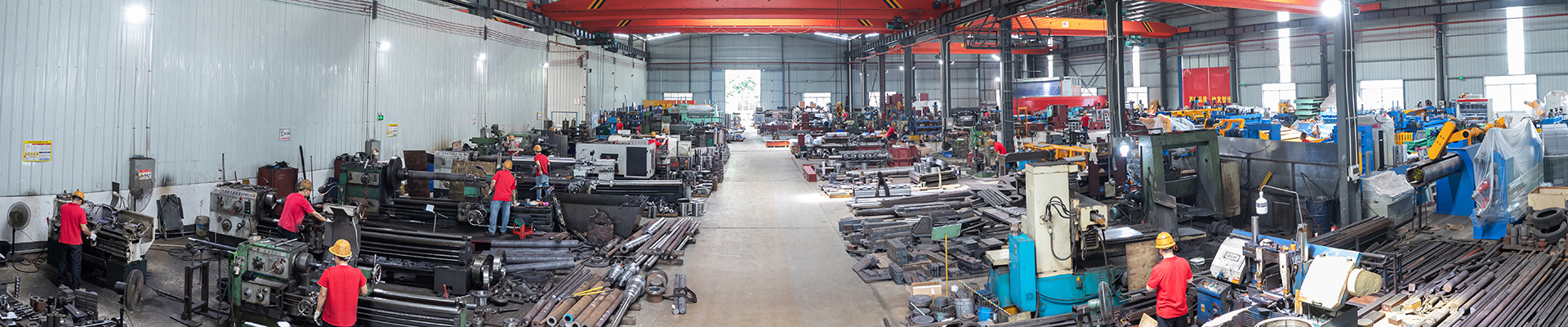

Understanding the Functionality and Benefits of Straightening Machines in Metal Processing
Time:
2024-12-07 10:40
source:

Straightening machines are essential tools used in the metalworking industry to correct the deformations in metal sheets, bars, and other forms. These machines are designed to ensure that materials have the desired flatness and dimensional accuracy, which is critical for subsequent processing steps such as cutting, welding, or assembly. The straightening process typically involves the application of force to the material, using rollers or mechanical systems that can adjust to different thicknesses and shapes.
One of the key features of straightening machines is their versatility. They can handle a wide range of materials, including steel, aluminum, and other alloys, making them suitable for various applications in manufacturing and construction. Additionally, modern straightening machines often come equipped with advanced control systems that enable operators to set specific parameters for the straightening process, ensuring consistency and high-quality results.
The operational mechanism of straightening machines is primarily based on the principle of bending. As the deformed metal passes through a series of rollers, compressive forces are applied, which gradually corrects the bends and twists. This process is often continuous, allowing for high throughput and efficient production. Moreover, some straightening machines offer automated features, reducing the need for manual intervention and minimizing the risk of human error.
In terms of benefits, straightening machines significantly enhance the quality of metal products. By ensuring uniformity and precision in the material, manufacturers can reduce waste and improve the overall efficiency of their operations. Moreover, straightening machines contribute to the safety of the final products, as properly straightened materials are less likely to fail during further processing or application.
Another advantage of incorporating straightening machines into manufacturing processes is the reduction of production time. By streamlining the straightening phase, manufacturers can expedite the overall workflow, leading to faster delivery times and increased customer satisfaction. Additionally, these machines often require minimal maintenance, making them a cost-effective investment for businesses looking to optimize their metal processing capabilities.
In summary, straightening machines are invaluable assets in the metal processing industry, providing essential functionalities that ensure the quality, precision, and efficiency of metal products. Understanding their operation and benefits can help manufacturers make informed decisions about integrating these machines into their production lines, ultimately leading to enhanced performance and competitiveness in the market.
One of the key features of straightening machines is their versatility. They can handle a wide range of materials, including steel, aluminum, and other alloys, making them suitable for various applications in manufacturing and construction. Additionally, modern straightening machines often come equipped with advanced control systems that enable operators to set specific parameters for the straightening process, ensuring consistency and high-quality results.
The operational mechanism of straightening machines is primarily based on the principle of bending. As the deformed metal passes through a series of rollers, compressive forces are applied, which gradually corrects the bends and twists. This process is often continuous, allowing for high throughput and efficient production. Moreover, some straightening machines offer automated features, reducing the need for manual intervention and minimizing the risk of human error.
In terms of benefits, straightening machines significantly enhance the quality of metal products. By ensuring uniformity and precision in the material, manufacturers can reduce waste and improve the overall efficiency of their operations. Moreover, straightening machines contribute to the safety of the final products, as properly straightened materials are less likely to fail during further processing or application.
Another advantage of incorporating straightening machines into manufacturing processes is the reduction of production time. By streamlining the straightening phase, manufacturers can expedite the overall workflow, leading to faster delivery times and increased customer satisfaction. Additionally, these machines often require minimal maintenance, making them a cost-effective investment for businesses looking to optimize their metal processing capabilities.
In summary, straightening machines are invaluable assets in the metal processing industry, providing essential functionalities that ensure the quality, precision, and efficiency of metal products. Understanding their operation and benefits can help manufacturers make informed decisions about integrating these machines into their production lines, ultimately leading to enhanced performance and competitiveness in the market.
Related news
Hotline:
Address:Baishaqiao Industrial Zone, Shishan Town, Nanhai District, Foshan, China
Tel:+86-18823293989
Tel:+86-13929966249
Tel:+86-757-86698198
Email:1174934194@qq.com
COPYRIGHT © 2023 Guangdong Quanfa Intelligent Equipment Co.Ltd.
Address:Baishaqiao Industrial Zone, Shishan Town, Nanhai District, Foshan, China
Tel:+86-18823293989
Tel:+86-13929966249
Tel:+86-757-86698198
Email:1174934194@qq.com
Swipe to add WeChat
Swipe to add WeChat
Swipe to add WhatsApp