
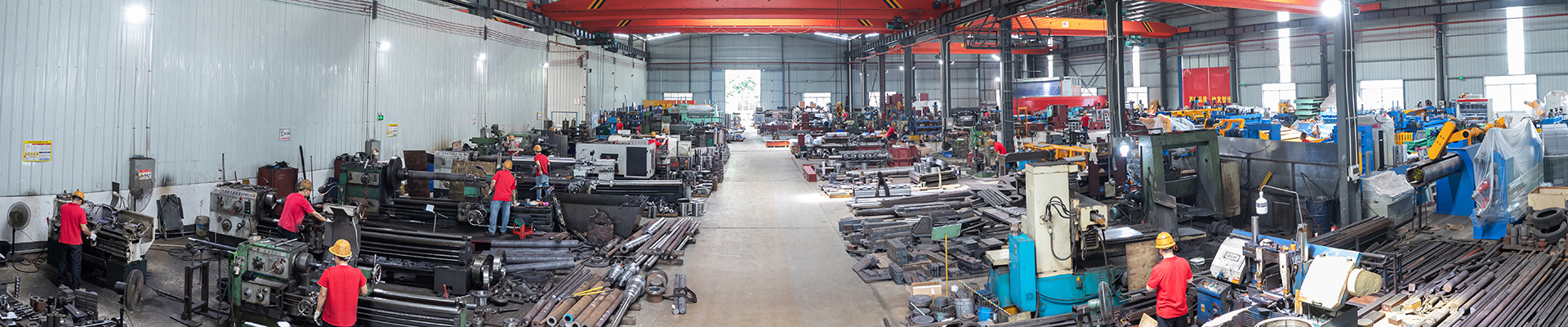

How Leveling Machines Revolutionize Metal Processing: The Future of Precision Engineering
Time:
2024-12-04 12:20
source:

How Leveling Machines Revolutionize Metal Processing
In today’s fast-paced manufacturing environment, the pursuit of **efficiency**, **precision**, and **quality** is paramount. Among the various technological innovations reshaping the industry, **leveling machines** have emerged as critical tools that significantly enhance the metal processing landscape. This article delves deeply into how these machines are transforming metalworking practices, the technology that powers them, and their implications for the future.
Table of Contents
1. Introduction to Leveling Machines
2. What Are Leveling Machines?
3. Benefits of Leveling Machines in Metal Processing
- 3.1 Enhanced Precision in Metal Fabrication
- 3.2 Increased Efficiency and Productivity
- 3.3 Reduced Material Waste and Cost Savings
4. Technological Advancements in Leveling Machines
- 4.1 Automation and Smart Technologies
- 4.2 Customization and Versatility
5. Applications of Leveling Machines in Various Industries
6. Future Trends in Leveling Machines
7. Frequently Asked Questions
8. Conclusion
Introduction to Leveling Machines
Leveling machines play a pivotal role in the metal processing industry, ensuring that metal sheets and components achieve the desired flatness and surface quality. These machines are designed to eliminate warpage and distortion, which are common issues during the metal fabrication process. As manufacturers strive to meet rigorous quality standards, leveling machines have become indispensable in modern metalworking operations.
What Are Leveling Machines?
Leveling machines are specialized equipment used to flatten and straighten metal sheets and other components. They utilize a series of rollers and hydraulic systems to apply uniform pressure, effectively reshaping the metal to achieve desired dimensions and surface characteristics. These machines are available in various configurations, catering to different sizes and types of metal materials.
Types of Leveling Machines
There are several types of leveling machines, including:
- **Mechanical Levelers**: Employing mechanical processes to flatten metal, these machines are robust and ideal for heavy-duty applications.
- **Hydraulic Levelers**: Utilizing hydraulic pressure, these machines offer greater flexibility and precision, making them suitable for various metal types and thicknesses.
- **Servo-Controlled Levelers**: These advanced machines use servo technology to achieve exceptional accuracy and adaptability, particularly beneficial for high-precision applications.
Benefits of Leveling Machines in Metal Processing
The adoption of leveling machines in metal processing is driven by several key benefits, which include:
Enhanced Precision in Metal Fabrication
Leveling machines are engineered to deliver high levels of precision, ensuring that metal parts meet stringent industry tolerances. This precision is vital for applications in sectors such as aerospace, automotive, and electronics, where even minor deviations can lead to significant issues. By producing flatter and more uniform materials, leveling machines contribute to improved product quality and performance.
Increased Efficiency and Productivity
By automating the leveling process, manufacturers can significantly reduce cycle times and labor costs. Leveling machines can process large volumes of metal quickly and accurately, improving overall throughput. This efficiency allows companies to respond rapidly to market demands, thereby enhancing their competitive edge.
Reduced Material Waste and Cost Savings
One of the most compelling advantages of leveling machines is their ability to minimize material waste. By producing flatter materials, manufacturers can optimize cutting and processing operations, resulting in less scrap and lower production costs. This waste reduction not only benefits the bottom line but also aligns with sustainable manufacturing practices.
Technological Advancements in Leveling Machines
The evolution of leveling machines has been marked by significant technological advancements. These innovations have expanded their capabilities and efficiency, paving the way for enhanced metal processing techniques.
Automation and Smart Technologies
Modern leveling machines often incorporate **automation** and **smart technologies** to streamline operations. Features such as real-time monitoring, predictive maintenance, and advanced control systems enable operators to optimize the leveling process. These technologies not only improve machine performance but also provide valuable data for continuous improvement.
Customization and Versatility
Today’s leveling machines can be tailored to suit specific manufacturing needs. Customizable configurations allow manufacturers to adjust settings based on the type of metal, thickness, and desired flatness. This versatility ensures that leveling machines can cater to a diverse range of applications, from high-volume production to specialized projects.
Applications of Leveling Machines in Various Industries
Leveling machines find applications across a wide spectrum of industries, each with unique requirements for metal processing. Key sectors include:
- **Automotive Industry**: Leveling machines are essential for producing accurate components, ensuring the quality and safety of vehicles.
- **Aerospace Industry**: In aerospace manufacturing, precision is non-negotiable. Leveling machines help achieve the strict tolerances required for aircraft components.
- **Construction and Infrastructure**: Metal sheets used in construction often require leveling to meet structural standards and support safety regulations.
- **Electronics Manufacturing**: Leveling machines are used to prepare metal substrates for electronic components, ensuring they meet stringent quality and functionality requirements.
Future Trends in Leveling Machines
As the metal processing industry continues to evolve, several trends are shaping the future of leveling machines:
Increased Integration with Industry 4.0
With the rise of **Industry 4.0**, leveling machines will increasingly integrate with smart manufacturing systems. Connectivity and data exchange will enable real-time adjustments, predictive maintenance, and overall process optimization.
Focus on Sustainability
Sustainability is becoming a crucial consideration in manufacturing. Leveling machines that promote energy efficiency and material optimization will play a vital role in sustainable manufacturing practices.
Continued Innovation in Materials
As new materials emerge, leveling machines will need to adapt. Innovations in machine design and technology will ensure they can handle advanced materials used in cutting-edge applications.
Frequently Asked Questions
1. What is the primary function of a leveling machine?
The primary function of a leveling machine is to flatten and straighten metal sheets and components, ensuring they meet specific dimensional and surface quality standards.
2. How do leveling machines improve production efficiency?
Leveling machines automate the flattening process, reducing cycle times and labor costs while increasing throughput, allowing manufacturers to respond quickly to market demands.
3. What industries benefit most from using leveling machines?
Industries such as automotive, aerospace, electronics, and construction benefit significantly from leveling machines, as they require precise metal components to meet stringent quality standards.
4. Can leveling machines be customized for specific applications?
Yes, leveling machines can be customized to accommodate various metal types, thicknesses, and specific flatness requirements, enhancing their versatility.
5. What technological advancements are shaping the future of leveling machines?
Technological advancements such as automation, smart technologies, and increased connectivity with manufacturing systems are shaping the future of leveling machines, improving their efficiency and effectiveness.
Conclusion
Leveling machines are revolutionizing the metal processing industry by providing enhanced precision, increased efficiency, and significant cost savings. As manufacturers continue to embrace technological advancements and adapt to emerging trends, leveling machines will play a crucial role in shaping the future of metal fabrication. The ability to produce high-quality, flat components efficiently ensures that these machines will remain indispensable in the pursuit of excellence in metal processing. Embracing leveling machines not only elevates manufacturing capabilities but also positions companies for success in a competitive landscape.
Related news
Hotline:
Address:Baishaqiao Industrial Zone, Shishan Town, Nanhai District, Foshan, China
Tel:+86-18823293989
Tel:+86-13929966249
Tel:+86-757-86698198
Email:1174934194@qq.com
COPYRIGHT © 2023 Guangdong Quanfa Intelligent Equipment Co.Ltd.
Address:Baishaqiao Industrial Zone, Shishan Town, Nanhai District, Foshan, China
Tel:+86-18823293989
Tel:+86-13929966249
Tel:+86-757-86698198
Email:1174934194@qq.com
Swipe to add WeChat
Swipe to add WeChat
Swipe to add WhatsApp