
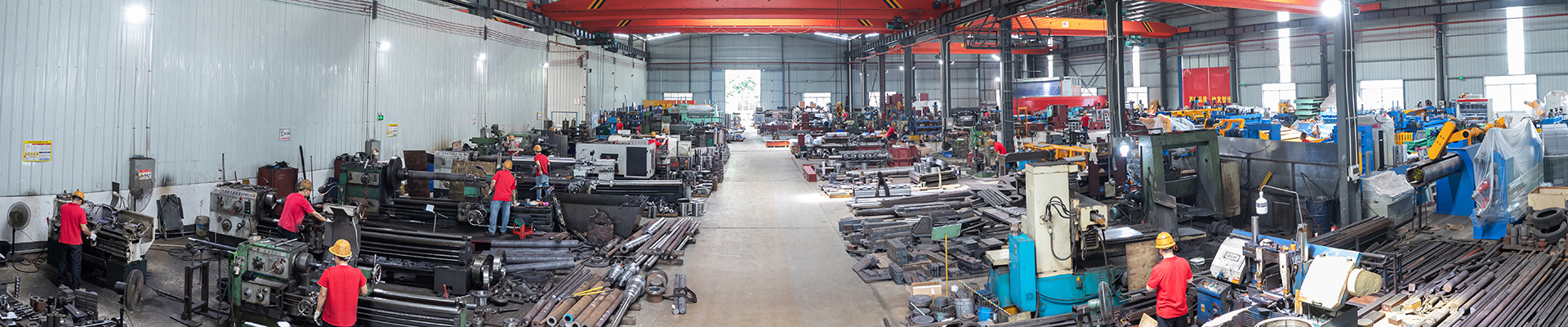

Revolutionizing Metal Processing: Insights into Hydraulic Rebar Straighteners
Time:
2024-11-30 10:40
source:

Revolutionizing Metal Processing: Insights into Hydraulic Rebar Straighteners
Table of Contents
- 1. Introduction to Hydraulic Rebar Straightening
- 2. What is a Hydraulic Rebar Straightener?
- 3. Key Benefits of Using Hydraulic Rebar Straighteners
- 4. How Hydraulic Rebar Straighteners Work
- 5. Applications of Hydraulic Rebar Straighteners in Manufacturing
- 6. Choosing the Right Hydraulic Rebar Straightener for Your Needs
- 7. Maintenance and Care for Hydraulic Rebar Straighteners
- 8. Future Trends in Metal Processing with Hydraulic Technology
- 9. Frequently Asked Questions
- 10. Conclusion
1. Introduction to Hydraulic Rebar Straightening
In the ever-evolving world of metal processing, efficiency and precision reign supreme. Among the technological advancements driving this industry forward, **hydraulic rebar straighteners** stand out as a pivotal innovation. These machines streamline the rebar straightening process, enhancing productivity while ensuring superior quality. In this article, we delve into the intricacies of hydraulic rebar straighteners, uncovering their workings, benefits, applications, and future prospects.
2. What is a Hydraulic Rebar Straightener?
A hydraulic rebar straightener is a sophisticated machine designed to straighten bent or warped steel bars, commonly known as rebar, used in construction and reinforcement. Utilizing **hydraulic technology**, these machines apply significant pressure to the rebar, effectively eliminating bends and ensuring uniformity. This process is crucial for maintaining the structural integrity of construction projects.
The Mechanics Behind Hydraulic Rebar Straightening
The **core mechanics** of a hydraulic rebar straightener involve hydraulic cylinders that exert force on the rebar. When the rebar is fed into the machine, it passes through a series of rollers and guides, where the hydraulic system applies constant pressure, straightening the material gradually. This precise operation minimizes material wastage and enhances the quality of the finished product.
3. Key Benefits of Using Hydraulic Rebar Straighteners
Implementing hydraulic rebar straighteners in manufacturing processes offers a multitude of benefits:
Enhanced Efficiency
Hydraulic rebar straighteners significantly reduce the time required to straighten rebar. Traditional methods can be labor-intensive and time-consuming, whereas hydraulic systems automate much of the process, leading to faster turnaround times.
Improved Precision
The hydraulic mechanism allows for accurate control over the straightening process, resulting in minimal deviation from the desired specifications. This precision is paramount in construction, where even the slightest imperfection can compromise structural integrity.
Reduced Labor Costs
By automating the straightening process, businesses can allocate their workforce more effectively. Fewer manual interventions mean lower labor costs and the ability to focus human resources on other critical areas of production.
Higher Quality Output
Hydraulic rebar straighteners produce consistent results, reducing the likelihood of defects. The enhanced quality translates to increased safety and reliability in construction, ultimately benefiting end-users and contractors alike.
4. How Hydraulic Rebar Straighteners Work
Understanding the operational framework of hydraulic rebar straighteners is essential for appreciating their value. The process can be broken down into several critical stages:
Feeding Mechanism
The rebar is loaded into the machine through an automated feeding system. This system is designed to handle various rebar sizes and shapes, providing flexibility in operations.
Hydraulic Press System
Once the rebar is fed into the machine, the hydraulic press system engages. The hydraulic cylinders apply controlled pressure to the bent sections of the rebar, gradually straightening it. The system's design allows for quick adjustments based on the rebar’s specifications.
Cooling and Inspection
After the straightening process, the rebar may pass through a cooling system to reduce any heat generated during operation. Following cooling, inspection mechanisms ensure that the rebar meets the required standards before it exits the machine.
5. Applications of Hydraulic Rebar Straighteners in Manufacturing
Hydraulic rebar straighteners find extensive applications across various sectors in the metal processing industry:
Construction and Infrastructure
In construction, straightened rebar is vital for reinforcing concrete structures. The uniformity provided by hydraulic straighteners ensures that rebar can withstand the stresses of building projects.
Manufacturing of Steel Products
Steel fabrication requires accurate dimensions and shapes. Hydraulic rebar straighteners contribute to producing various steel products, including frames, supports, and reinforcements.
Automated Fabrication Plants
In automated environments, hydraulic rebar straighteners play a crucial role in maintaining production flow. They can be integrated into larger manufacturing systems, contributing to overall efficiency and productivity.
6. Choosing the Right Hydraulic Rebar Straightener for Your Needs
Selecting the appropriate hydraulic rebar straightener is instrumental in optimizing operations. Here are essential considerations:
Processing Capacity
Evaluate the volume and size of rebar you typically work with. The straightener's capacity should align with your production requirements.
Hydraulic System Specifications
Consider the specifications of the hydraulic system, including pressure capabilities and power consumption. These factors will influence the overall efficiency of the machine.
Ease of Use and Maintenance
A user-friendly design and straightforward maintenance protocols are crucial for minimizing downtime and maximizing productivity.
7. Maintenance and Care for Hydraulic Rebar Straighteners
To ensure longevity and optimal performance, regular maintenance of hydraulic rebar straighteners is essential. Here are some key maintenance tips:
Regular Inspections
Conduct frequent inspections of hydraulic components, checking for leaks or wear. Early detection can prevent significant issues down the line.
Hydraulic Fluid Checks
Monitor hydraulic fluid levels and quality regularly. Contaminated or low fluid levels can lead to malfunction and decreased efficiency.
Cleaning and Lubrication
Keep the machine clean and well-lubricated. Dust and debris can affect performance, while proper lubrication ensures smooth operation.
8. Future Trends in Metal Processing with Hydraulic Technology
The landscape of metal processing continues to evolve, and hydraulic technology plays a pivotal role in shaping its future:
Integration of Smart Technologies
The incorporation of **IoT** (Internet of Things) and AI (Artificial Intelligence) into hydraulic rebar straighteners is expected to enhance operational intelligence, enabling predictive maintenance and improved efficiency.
Sustainability Practices
With a growing emphasis on sustainability, manufacturers are exploring eco-friendly hydraulic systems that reduce energy consumption and environmental impact.
Advanced Material Processing
As new materials are developed for construction, hydraulic straighteners will adapt to handle a broader range of materials, enhancing versatility in manufacturing processes.
9. Frequently Asked Questions
What materials can hydraulic rebar straighteners process?
Hydraulic rebar straighteners are primarily designed for steel rebar, but many models can also handle other metallic materials depending on their specifications.
How does a hydraulic rebar straightener compare to manual straightening methods?
Hydraulic rebar straighteners are more efficient, precise, and faster than manual methods, reducing labor costs and improving output quality.
What is the average lifespan of a hydraulic rebar straightener?
With proper maintenance, hydraulic rebar straighteners can last for several years, with many units operating optimally for over a decade.
Can hydraulic rebar straighteners be customized for specific applications?
Yes, many manufacturers offer customizable options to tailor hydraulic rebar straighteners to specific industry needs, including adaptations for different rebar sizes and types.
Is operator training necessary for using hydraulic rebar straighteners?
Yes, proper training is essential to ensure safe and efficient operation of hydraulic rebar straighteners. Operators should understand the machine's functions and maintenance requirements.
10. Conclusion
In summary, hydraulic rebar straighteners are revolutionizing the metal processing landscape, offering numerous advantages in efficiency, precision, and quality. As the construction industry continues to evolve, the demand for reliable and effective metal processing solutions will only increase. By investing in advanced hydraulic technologies, manufacturers can enhance their operations, leading to superior products that meet the highest standards of construction safety and integrity. The future of metal processing is not just about adapting to change; it's about embracing innovation that drives the industry forward.
Related news
Hotline:
Address:Baishaqiao Industrial Zone, Shishan Town, Nanhai District, Foshan, China
Tel:+86-18823293989
Tel:+86-13929966249
Tel:+86-757-86698198
Email:1174934194@qq.com
COPYRIGHT © 2023 Guangdong Quanfa Intelligent Equipment Co.Ltd.
Address:Baishaqiao Industrial Zone, Shishan Town, Nanhai District, Foshan, China
Tel:+86-18823293989
Tel:+86-13929966249
Tel:+86-757-86698198
Email:1174934194@qq.com
Swipe to add WeChat
Swipe to add WeChat
Swipe to add WhatsApp