
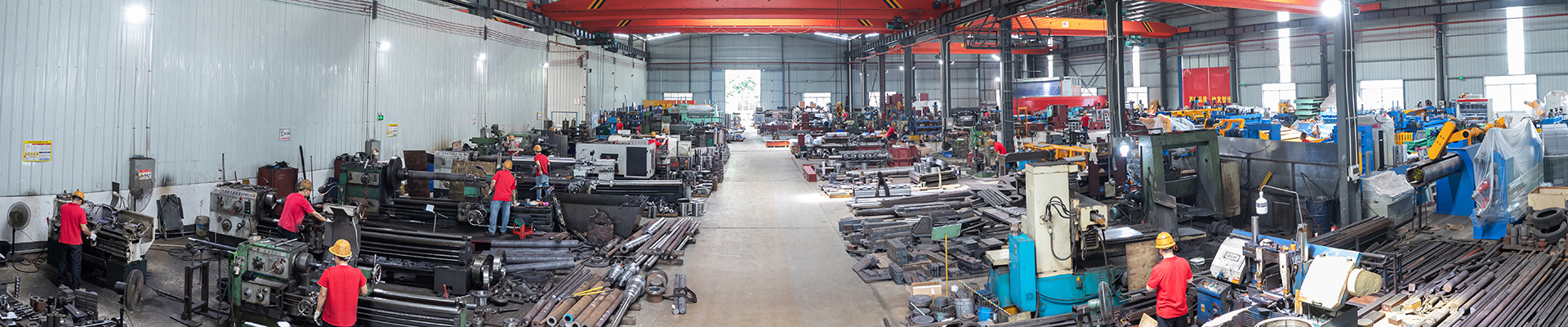

Enhancing Production Line Efficiency with Modern Roll Slitters: A Comprehensive Guide
Time:
2024-11-08 15:40
source:

Enhancing Production Line Efficiency with Modern Roll Slitters
Table of Contents
- 1. Introduction to Roll Slitters and Their Importance
- 2. What Are Roll Slitters?
- 3. Benefits of Modern Roll Slitters
- 4. Advanced Technology in Roll Slitters
- 5. Selecting the Right Roll Slitters for Your Production Line
- 6. Integration Strategies for Roll Slitters
- 7. Case Studies: Successful Implementation of Roll Slitters
- 8. Frequently Asked Questions
- 9. Conclusion
1. Introduction to Roll Slitters and Their Importance
In the fast-evolving landscape of manufacturing, maintaining high efficiency is not just an advantage but a necessity. **Modern roll slitters** stand at the forefront of this revolution, offering manufacturers an innovative solution to enhance production line efficiency. By employing advanced technology and automation, these machines facilitate precision cutting, ensuring that materials are processed swiftly and accurately. This article delves into the various aspects of roll slitters, exploring their benefits, technology, and strategies for effective integration into production lines.
2. What Are Roll Slitters?
Roll slitters are specialized machines designed to cut large rolls of materials into narrower rolls or sheets. This process is critical in industries such as paper, film, foil, and textiles. Roll slitters operate by feeding the raw material into the machine, where rotating blades make precise cuts. The result is uniform strips that are essential for downstream processes. The designs of modern roll slitters vary, allowing customization according to the specific needs of different industries.
3. Benefits of Modern Roll Slitters
3.1 Increased Productivity
One of the most significant advantages of modern roll slitters is their ability to increase productivity. With high-speed operation and the capacity to handle large rolls, these machines minimize downtime and maximize output. The automation features enable continuous operation, allowing manufacturers to meet demand efficiently.
3.2 Enhanced Accuracy
Accuracy is paramount in manufacturing, and modern roll slitters deliver on this front. Equipped with advanced cutting technologies, these machines ensure that every strip is cut to precise dimensions. This accuracy reduces waste and rework, ultimately contributing to a more streamlined production process.
3.3 Cost Efficiency
Investing in modern roll slitters can lead to substantial cost savings. By improving productivity and accuracy, manufacturers reduce material waste and labor costs. Additionally, the durability of these machines means that they require less frequent maintenance and replacement, further enhancing their cost-effectiveness over time.
4. Advanced Technology in Roll Slitters
The evolution of roll slitters has been greatly influenced by advancements in technology. Today’s roll slitters are not just mechanical devices; they are sophisticated systems that incorporate various technologies to enhance performance.
4.1 Automation and Smart Features
Modern roll slitters often come equipped with automation capabilities that allow for remote monitoring and adjustments. Smart features enable operators to track performance metrics in real time, ensuring that any issues can be swiftly addressed. This level of automation not only enhances efficiency but also improves operator safety by minimizing manual intervention.
4.2 Safety Features
Safety is a critical concern in manufacturing environments. Modern roll slitters incorporate numerous safety features designed to protect operators and reduce the risk of accidents. These may include emergency stop buttons, safety guards, and automated shut-off systems when malfunctions are detected. Enhanced safety measures foster a more secure workplace, contributing to overall employee satisfaction.
5. Selecting the Right Roll Slitters for Your Production Line
Choosing the right roll slitter is crucial for maximizing efficiency. Factors to consider include:
- **Material Type**: Different materials require different cutting technologies. Understanding the properties of the materials you will be processing is essential.
- **Production Volume**: Assessing your production volume helps determine the necessary speed and capacity of the roll slitter.
- **Customization Needs**: Some manufacturers require specific dimensions or cutting patterns. Look for machines that offer customization options.
Consulting with experts or conducting a thorough needs assessment can significantly aid in selecting the appropriate roll slitter for your operations.
6. Integration Strategies for Roll Slitters
Integrating roll slitters into your production line requires strategic planning. Here are a few strategies to consider:
- **Assessment of Existing Processes**: Evaluate your current production processes to identify where roll slitters can be incorporated for maximum benefit.
- **Training for Operators**: Ensuring that operators are well-trained in using roll slitters is crucial for optimal performance and safety.
- **Continuous Monitoring and Improvement**: Implement a system for monitoring the performance of roll slitters. Regularly assess productivity and make adjustments as necessary to improve efficiency.
7. Case Studies: Successful Implementation of Roll Slitters
Examining real-world applications of roll slitters provides valuable insights into their advantages. For instance, a leading packaging manufacturer faced challenges with slow production times and high material waste. By integrating a modern roll slitter, they reported a **30% increase in production speed** and a **25% reduction in waste**. Such results illustrate the transformative impact that modern roll slitters can have on production lines.
8. Frequently Asked Questions
1. What types of materials can be processed with roll slitters?
Roll slitters can process a wide range of materials, including paper, plastic films, and textiles. The specific machine used may vary based on the material's properties.
2. How can I improve the efficiency of my roll slitter?
Regular maintenance, employee training, and integrating automation features can significantly improve the efficiency of roll slitters.
3. Are modern roll slitters safe to use?
Yes, modern roll slitters are designed with a variety of safety features, including emergency stops and safety guards, to ensure safe operation.
4. What is the average lifespan of a roll slitter?
The lifespan of a roll slitter can vary based on usage and maintenance but typically ranges from 10 to 15 years with proper care.
5. Can roll slitters be customized for specific production needs?
Yes, many manufacturers offer customizable roll slitters to meet specific cutting dimensions and patterns required by production lines.
9. Conclusion
Modern roll slitters represent a vital advancement in the manufacturing sector, offering unparalleled benefits in efficiency, accuracy, and cost-effectiveness. By understanding the technology and strategically integrating these machines into production lines, manufacturers can enhance their operational capabilities and stay competitive in the fast-paced market. The continuous evolution of roll slitters ensures that they will remain a cornerstone of manufacturing processes, paving the way for a more productive future. Embracing this technology not only streamlines operations but also sets the stage for sustained growth and success in the industry.
Related news
Hotline:
Address:Baishaqiao Industrial Zone, Shishan Town, Nanhai District, Foshan, China
Tel:+86-18823293989
Tel:+86-13929966249
Tel:+86-757-86698198
Email:1174934194@qq.com
COPYRIGHT © 2023 Guangdong Quanfa Intelligent Equipment Co.Ltd.
Address:Baishaqiao Industrial Zone, Shishan Town, Nanhai District, Foshan, China
Tel:+86-18823293989
Tel:+86-13929966249
Tel:+86-757-86698198
Email:1174934194@qq.com
Swipe to add WeChat
Swipe to add WeChat
Swipe to add WhatsApp