
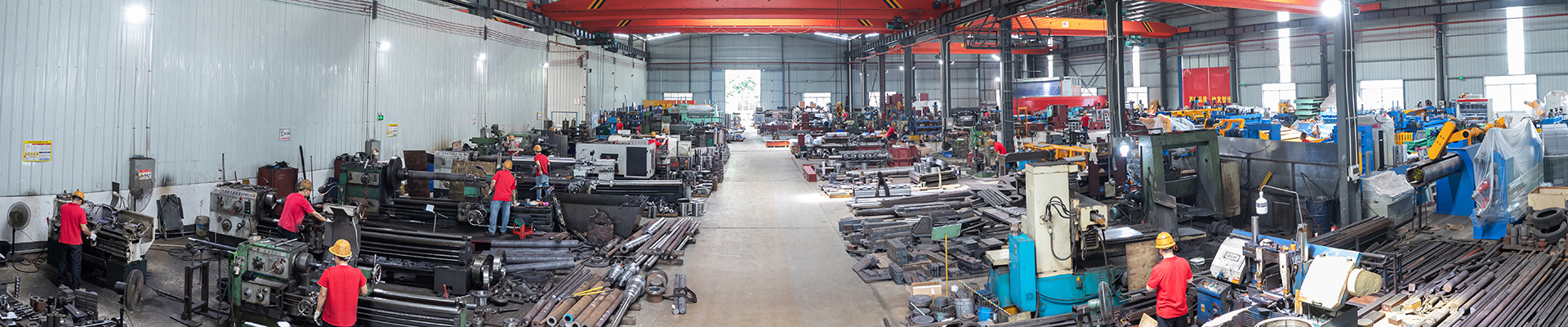

How to Maintain Your Metal Straightening Machine for Longevity
Time:
2024-10-26 11:20
source:

How to Maintain Your Metal Straightening Machine for Longevity
Table of Contents
1. Understanding Metal Straightening Machines
2. Importance of Regular Maintenance
3. Step-by-Step Maintenance Guide
3.1 Daily Maintenance Tasks
3.2 Weekly Maintenance Procedures
3.3 Monthly Maintenance Essentials
4. Common Issues and Troubleshooting Tips
5. Best Practices for Efficient Operations
6. When to Call a Professional Technician
7. Frequently Asked Questions (FAQs)
8. Conclusion
1. Understanding Metal Straightening Machines
Metal straightening machines are essential tools in the manufacturing industry, particularly for metalworking processes. They are designed to correct the shape of metal components, ensuring they meet specified tolerances and standards. A well-maintained machine not only improves the quality of the final product but also enhances production efficiency and reduces operational costs.
2. Importance of Regular Maintenance
Regular maintenance of metal straightening machines is crucial for several reasons:
- **Enhanced Performance**: Well-maintained machines operate more efficiently, reducing the risk of defects in the metal straightening process.
- **Extended Lifespan**: Consistent care can significantly prolong the life of your equipment, saving you from costly replacements.
- **Reduced Downtime**: Proactive maintenance prevents unexpected breakdowns, allowing for uninterrupted production flow.
- **Safety Compliance**: Regular checks ensure that machines operate within safety standards, protecting operators from potential hazards.
3. Step-by-Step Maintenance Guide
To achieve optimal performance from your metal straightening machine, follow this comprehensive maintenance guide:
3.1 Daily Maintenance Tasks
Perform these tasks daily to ensure your machine is in top condition:
- **Visual Inspection**: Check for any visible wear, tear, or damage on the machine components. Look for loose bolts, cracked surfaces, or any signs of corrosion.
- **Cleaning**: Remove dust, debris, and metal shavings from the machine. Use a soft brush or vacuum to maintain a clean working environment.
- **Lubrication Check**: Ensure that all moving parts are adequately lubricated. Use the recommended lubricant and apply it according to the manufacturer's specifications.
3.2 Weekly Maintenance Procedures
Weekly checks are essential for preventing minor issues from escalating:
- **Alignment Verification**: Inspect the alignment of rollers and guides to ensure they are correctly positioned. Misalignment can lead to defects in the straightening process.
- **Hydraulic Fluid Levels**: Check the hydraulic fluid reservoir and top off if necessary. Low fluid levels can affect the machine's performance.
- **Software Updates**: If your machine uses software for operation, ensure it is updated with the latest version to enhance functionality and security.
3.3 Monthly Maintenance Essentials
Monthly maintenance involves more extensive checks and services:
- **Component Inspection**: Conduct a thorough inspection of belts, gears, and other components for signs of wear. Replace any parts that show significant deterioration.
- **Calibration**: Calibrate the machine's settings to ensure it operates at peak efficiency. This may involve adjustments to pressure settings or alignment parameters.
- **Electrical System Check**: Inspect the electrical connections and wiring for fraying or damage. Ensure that safety switches are functioning correctly.
4. Common Issues and Troubleshooting Tips
Even with regular maintenance, issues may arise. Here are common problems and solutions:
- **Inconsistent Straightening Results**: If the machine produces uneven shapes, check for misalignment and recalibrate as needed.
- **Unusual Noises**: Grinding or clanking noises may indicate worn bearings or insufficient lubrication. Investigate and replace any affected components.
- **Hydraulic Leaks**: If you notice hydraulic fluid pooling beneath the machine, inspect hoses and connections for leaks. Replace damaged parts promptly.
5. Best Practices for Efficient Operations
To optimize the efficiency of your metal straightening machine, consider these best practices:
- **Operator Training**: Ensure that all operators are well-trained in using the machine and understand its maintenance requirements. Proper training reduces the risk of operator error and machine misuse.
- **Data Logging**: Maintain a log of all maintenance activities, including inspections, repairs, and replacements. This documentation can help identify patterns and predict future maintenance needs.
- **Environment Control**: Keep the machine in a clean and controlled environment to prevent dust and debris from affecting its operation.
6. When to Call a Professional Technician
Recognizing when to seek professional help can save time and resources. Contact a technician if:
- You encounter persistent issues that cannot be resolved through basic troubleshooting.
- There are signs of severe wear or damage that require specialized tools for assessment.
- You believe the machine's calibration is significantly off and requires expert intervention.
7. Frequently Asked Questions (FAQs)
**Q1: How often should I perform maintenance on my metal straightening machine?**
A: Daily visual inspections, weekly checks, and comprehensive monthly maintenance are recommended to ensure optimal performance.
**Q2: What should I do if my machine produces inconsistent results?**
A: Check for misalignment and recalibrate the machine as necessary. Inspect for worn components that may require replacement.
**Q3: What type of lubricant is best for my metal straightening machine?**
A: Always refer to the manufacturer's guidelines for recommended lubricants specific to your machine model.
**Q4: Can I perform maintenance on my machine myself?**
A: Yes, basic maintenance tasks can be done by trained operators. However, for complex issues, it’s best to consult a professional.
**Q5: How can I extend the lifespan of my metal straightening machine?**
A: Regular maintenance, proper training for operators, and keeping the machine in a controlled environment can significantly extend its lifespan.
8. Conclusion
Maintaining your metal straightening machine is essential for ensuring its longevity and optimizing performance. By implementing a comprehensive maintenance routine, including daily inspections, weekly checks, and monthly comprehensive services, you can prevent costly breakdowns and enhance operational efficiency. Regularly address common issues and adhere to best practices to ensure your machine continues to deliver quality results. Remember, investing in maintenance today will pay off with increased productivity and reduced operational costs in the long run.
Related news
Hotline:
Address:Baishaqiao Industrial Zone, Shishan Town, Nanhai District, Foshan, China
Tel:+86-18823293989
Tel:+86-13929966249
Tel:+86-757-86698198
Email:1174934194@qq.com
COPYRIGHT © 2023 Guangdong Quanfa Intelligent Equipment Co.Ltd.
Address:Baishaqiao Industrial Zone, Shishan Town, Nanhai District, Foshan, China
Tel:+86-18823293989
Tel:+86-13929966249
Tel:+86-757-86698198
Email:1174934194@qq.com
Swipe to add WeChat
Swipe to add WeChat
Swipe to add WhatsApp