
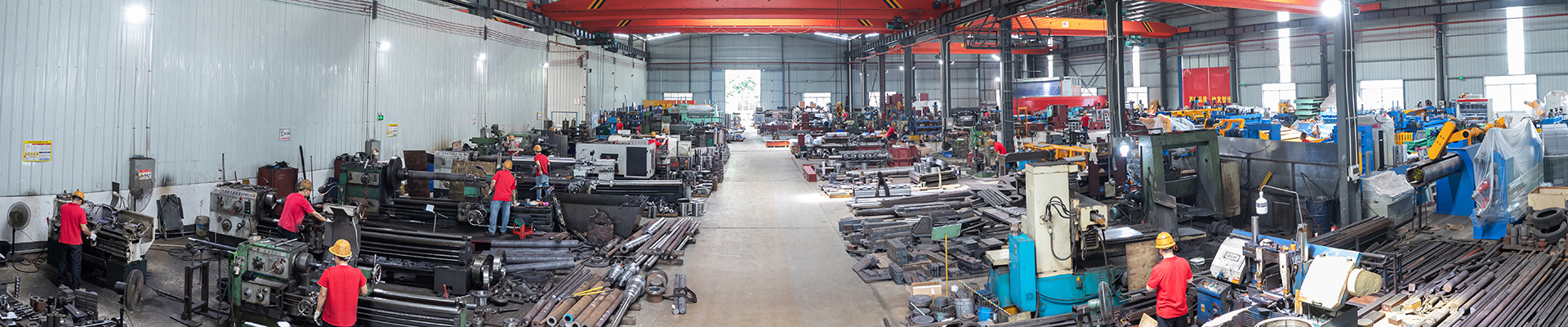

metal flattening machine
Time:
2024-10-16 14:44
source:

A metal flattening machine is an industrial device designed to remove bends, warps, and distortions from metal sheets and plates. It plays a crucial role in the manufacturing and fabrication industries by ensuring that metal components meet precise specifications for dimensions and shape. This machine applies controlled force to straighten and flatten metal surfaces, making it indispensable for processes where uniformity and flatness are paramount.

The metal flattening machine operates through several key stages. Firstly, the metal sheet is fed into the machine, often by rollers or conveyors, depending on the model. The material then passes between sets of hardened rolls. These rolls apply pressure to the metal, effectively smoothing out any irregularities. The number of roll sets and the configuration can vary based on the specific requirements of the material being processed.
One common type of metal flattening machine is the "leveler" or "straightener," which typically features several small diameter rollers arranged in a specific pattern. This design helps achieve high precision and minimizes the risk of damaging the metal surface. Another type is the "stretcher leveler," which uses alternating thick and thin rolls to provide a more intense flattening effect. This is particularly useful for thicker materials or for applications requiring higher levels of accuracy.
Modern metal flattening machines are equipped with advanced technology to enhance performance and efficiency. For instance, they may include computer numerical control (CNC) systems, allowing for precise adjustments and automation. Such controls enable operators to set the desired thickness, straightness, and finish with minimal manual intervention, thus improving productivity and consistency. Additionally, some machines feature built-in inspection systems that use lasers or other sensors to measure the flatness of the material in real-time, providing instant feedback and adjustments to ensure optimal results.

Safety is also a critical consideration in the design and operation of metal flattening machines. Many models incorporate safety features such as emergency stop buttons, protective barriers, and alarm systems to prevent accidents and injuries. Proper training and maintenance are essential to ensure safe and effective operation.
In summary, a metal flattening machine is a vital piece of equipment in various industries that rely on the precision and quality of metal products. Its ability to correct imperfections and produce flat, uniform sheets makes it an indispensable tool for manufacturers and fabricators. With advancements in technology, these machines continue to evolve, offering even greater precision, efficiency, and safety for industrial applications.
Next
Related news
Hotline:
Address:Baishaqiao Industrial Zone, Shishan Town, Nanhai District, Foshan, China
Tel:+86-18823293989
Tel:+86-13929966249
Tel:+86-757-86698198
Email:1174934194@qq.com
COPYRIGHT © 2023 Guangdong Quanfa Intelligent Equipment Co.Ltd.
Address:Baishaqiao Industrial Zone, Shishan Town, Nanhai District, Foshan, China
Tel:+86-18823293989
Tel:+86-13929966249
Tel:+86-757-86698198
Email:1174934194@qq.com
Swipe to add WeChat
Swipe to add WeChat
Swipe to add WhatsApp