
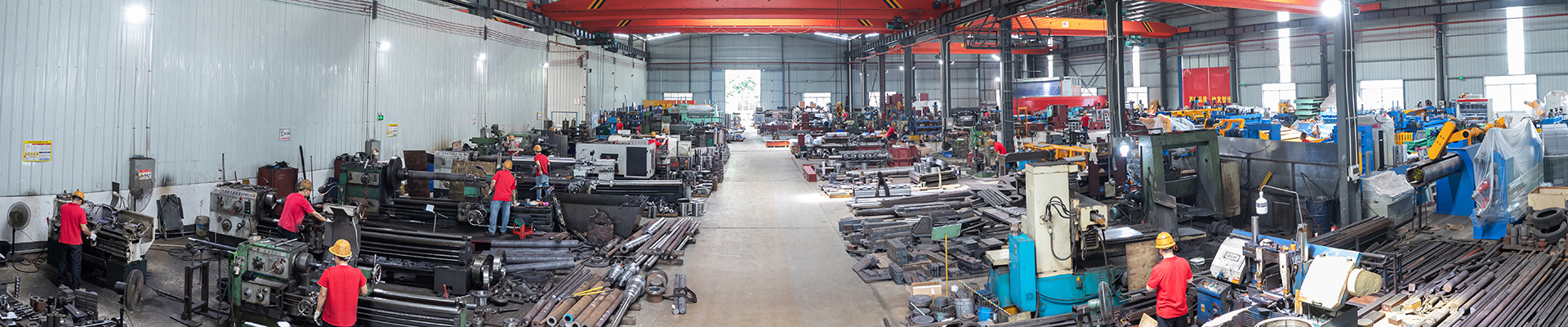

How Steel Slitting Machines Enhance Metal Processing Quality
Time:
2024-10-14 11:20
source:

How Steel Slitting Machines Enhance Metal Processing Quality
Table of Contents
- 1. Introduction to Steel Slitting Machines
- 2. Understanding Metal Processing
- 3. Functionality of Steel Slitting Machines
- 4. Benefits of Using Steel Slitting Machines
- 5. Applications of Steel Slitting Machines in Various Industries
- 6. Advancements in Slitting Machine Technology
- 7. Choosing the Right Steel Slitting Machine for Your Needs
- 8. Frequently Asked Questions
- 9. Conclusion
1. Introduction to Steel Slitting Machines
Steel slitting machines are essential tools in the metalworking industry, designed to cut large coils of metal into narrower strips. This process is vital for manufacturers seeking to produce high-quality metal components with precise dimensions. The importance of slitting machines extends beyond mere cutting; they enhance overall production efficiency and product standardization.
2. Understanding Metal Processing
Metal processing encompasses various methods used to manipulate and fabricate metal materials into desired shapes and forms. Key processes include cutting, bending, and assembling, with steel slitting being a critical technique in preparing metal for further manufacturing. By understanding metal processing and its challenges, we can appreciate how slitting machines contribute to quality improvements.
2.1 The Importance of Precision in Metal Processing
Precision is paramount in metal processing, as even minor deviations can lead to significant quality issues in the final product. Steel slitting machines address this need by delivering consistent thickness and width, thereby minimizing waste and ensuring that components meet stringent tolerances.
2.2 Common Challenges in Metal Processing
Manufacturers often face challenges such as material waste, inconsistent product quality, and lengthy production times. These issues highlight the need for reliable and efficient solutions, making steel slitting machines indispensable in modern manufacturing environments.
3. Functionality of Steel Slitting Machines
A steel slitting machine typically consists of several key components, including a feed mechanism, slitting heads, and an exit system for the processed metal strips. Understanding the mechanics of these machines helps us appreciate their effectiveness.
3.1 The Slitting Process
The slitting process begins with a large coil of steel being fed into the machine. As the material passes through, rotating blades cut it into specified widths. This process can accommodate various thicknesses and types of steel, making slitting machines versatile for different applications.
3.2 Automation in Slitting Machines
Modern steel slitting machines often incorporate automation features that enhance operational efficiency. Automated feeding systems and precision controls allow for quick adjustments and consistent quality throughout production runs.
4. Benefits of Using Steel Slitting Machines
Utilizing steel slitting machines offers a multitude of benefits that directly contribute to enhanced metal processing quality.
4.1 Increased Efficiency and Productivity
Slitting machines significantly reduce the time and labor involved in cutting metal. By streamlining production processes, manufacturers can increase output while maintaining high-quality standards.
4.2 Consistent Quality and Precision
The precision of steel slitting machines ensures uniformity in the final product. This consistent quality is crucial for manufacturers who depend on exact specifications for their components.
4.3 Reduction in Material Waste
With the ability to cut metal to exact measurements, slitting machines minimize material waste. This not only optimizes resource usage but also contributes to more sustainable manufacturing practices.
4.4 Versatility in Material Types
Steel slitting machines can handle various materials, including stainless steel, aluminum, and other alloys. This versatility allows manufacturers to diversify their product offerings without investing in multiple cutting systems.
5. Applications of Steel Slitting Machines in Various Industries
The applications of steel slitting machines extend across numerous industries, showcasing their versatility and utility.
5.1 Automotive Industry
In the automotive sector, precision-cut metal strips are essential for producing components such as brackets, panels, and chassis. Steel slitting machines provide the necessary accuracy for these critical parts.
5.2 Construction Industry
The construction industry relies on slitting machines to create materials used in structural applications, roofing, and other essential components. The ability to produce custom widths and lengths is vital for construction projects.
5.3 Electrical Industry
Electrical manufacturers utilize slitting machines to create strips for transformers, circuit boards, and other electronic components. The precision of slitting ensures that electrical contacts fit perfectly within their applications.
6. Advancements in Slitting Machine Technology
As the metal processing industry evolves, so too do the technologies surrounding steel slitting machines.
6.1 Digital Monitoring and Control Systems
Recent advancements include digital monitoring systems that provide real-time feedback on machine performance. These systems enable operators to make immediate adjustments, ensuring optimal operation.
6.2 Improved Blade Technology
Innovations in blade materials and designs have significantly enhanced cutting efficiency and longevity. High-speed steel and carbide-tipped blades now offer extended life cycles, reducing downtime and maintenance costs.
6.3 Integration with Other Manufacturing Processes
Modern slitting machines can be integrated with other processes, such as coiling and packaging. This integration fosters a more streamlined production line, maximizing efficiency from start to finish.
7. Choosing the Right Steel Slitting Machine for Your Needs
Selecting the appropriate steel slitting machine involves several considerations that can affect production quality and efficiency.
7.1 Assess Your Production Needs
Understanding the volume and specifications of the metal products you intend to manufacture is vital. Different machines cater to varying production scales and material types.
7.2 Evaluate Machine Features
Look for machines with automation capabilities, quick changeovers, and robust safety features. These aspects can greatly enhance your operational efficiency and ensure a safer work environment.
7.3 Consider After-Sales Support
Partnering with a reputable manufacturer who offers excellent after-sales support can make a significant difference in maintaining your slitting machine's performance over time.
8. Frequently Asked Questions
8.1 What is a steel slitting machine?
A steel slitting machine is a device used to cut large coils of metal into narrower strips, ensuring precise dimensions and quality.
8.2 What are the key benefits of using steel slitting machines?
Key benefits include increased efficiency, consistent quality, reduced material waste, and versatility in handling various metal types.
8.3 How does the slitting process work?
The slitting process involves feeding a large coil of metal through rotating blades that cut it into specified widths.
8.4 What industries benefit most from steel slitting machines?
Industries such as automotive, construction, and electrical manufacturing significantly benefit from the precision and efficiency of steel slitting machines.
8.5 How do advancements in technology affect steel slitting machines?
Advancements in technology improve operational efficiency, blade longevity, and integration with other manufacturing processes, enhancing overall production quality.
9. Conclusion
Steel slitting machines play an indispensable role in enhancing metal processing quality. Their ability to deliver precision and efficiency not only improves production processes but also ensures that manufacturers can meet the increasing demands of various industries. As technology continues to advance, we can expect further innovations in slitting machines, fostering even greater quality and performance in metal processing. By understanding their functionality, benefits, and applications, manufacturers can make informed decisions that lead to improved output and sustained competitiveness in the market.
Related news
Hotline:
Address:Baishaqiao Industrial Zone, Shishan Town, Nanhai District, Foshan, China
Tel:+86-18823293989
Tel:+86-13929966249
Tel:+86-757-86698198
Email:1174934194@qq.com
COPYRIGHT © 2023 Guangdong Quanfa Intelligent Equipment Co.Ltd.
Address:Baishaqiao Industrial Zone, Shishan Town, Nanhai District, Foshan, China
Tel:+86-18823293989
Tel:+86-13929966249
Tel:+86-757-86698198
Email:1174934194@qq.com
Swipe to add WeChat
Swipe to add WeChat
Swipe to add WhatsApp