
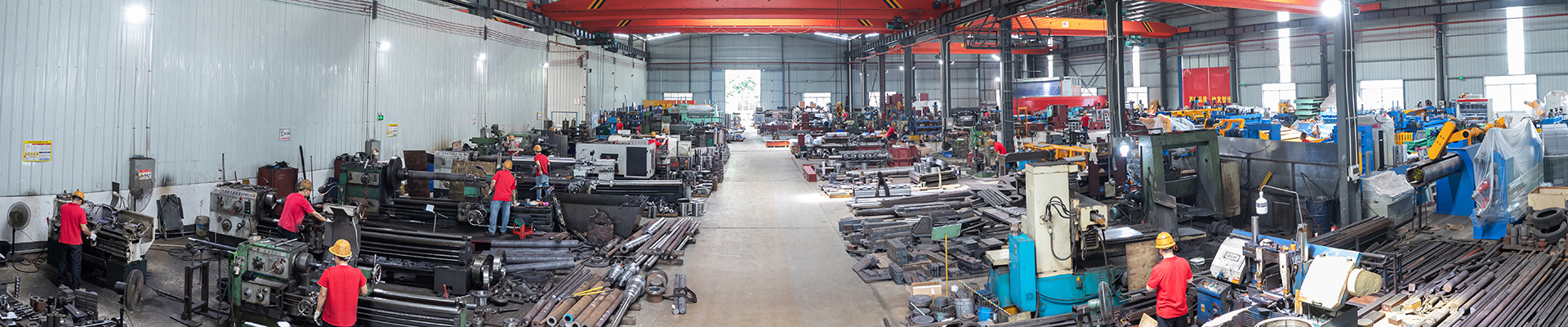

Understanding Tube Straightening Machines: Essential Insights for Metal Processing
Time:
2025-02-09 10:00
source:

Tube straightening machines play a vital role in the manufacturing and processing of metal components, particularly in industries where precision and quality are paramount. These machines are designed to correct any bends, twists, or imperfections in metal tubes, ensuring that they meet the strict specifications required for various applications.
The operation of a tube straightening machine typically involves feeding the bent tube through a series of rollers or dies, which apply pressure at specific points along the length of the tube. This pressure works to redistribute the material, effectively straightening the tube and restoring its original shape. The process can be tailored according to the type of metal, the diameter of the tube, and the degree of straightening required, thus making these machines versatile tools in metal fabrication.
One of the key advantages of tube straightening machines is their ability to enhance productivity. By automating the straightening process, manufacturers can significantly reduce the time it takes to prepare tubes for further processing, such as cutting, welding, or assembly. This efficiency not only speeds up production but also minimizes the potential for human error, resulting in higher quality finished products.
Moreover, tube straightening machines contribute to cost savings in the long run. By ensuring that tubes are straightened properly, manufacturers can reduce material waste and avoid the costs associated with reworking or replacing defective components. This is particularly important in industries where even minor defects can lead to catastrophic failures.
In terms of maintenance, modern tube straightening machines are designed with durability in mind. Regular maintenance and calibration are essential to ensure optimal performance and longevity of the equipment. Operators should be trained to recognize any signs of wear or malfunction, which can help prevent costly downtime and maintain consistent production levels.
Furthermore, advancements in technology have led to the development of more sophisticated tube straightening machines. Many of these are equipped with digital controls and monitoring systems, allowing for greater precision and ease of operation. Features such as programmable settings enable operators to quickly adjust the machine for different tube sizes or materials, enhancing flexibility and responsiveness in manufacturing environments.
In conclusion, tube straightening machines are indispensable in the metal processing industry, offering efficiency, cost savings, and high-quality output. Understanding their operation and benefits is crucial for manufacturers looking to optimize their production processes and maintain competitive advantage in the market. As the industry continues to evolve, staying informed about the latest advancements in tube straightening technology will be key to achieving operational excellence.
Related news
Hotline:
Address:Baishaqiao Industrial Zone, Shishan Town, Nanhai District, Foshan, China
Tel:+86-18823293989
Tel:+86-13929966249
Tel:+86-757-86698198
Email:1174934194@qq.com
COPYRIGHT © 2023 Guangdong Quanfa Intelligent Equipment Co.Ltd.
Address:Baishaqiao Industrial Zone, Shishan Town, Nanhai District, Foshan, China
Tel:+86-18823293989
Tel:+86-13929966249
Tel:+86-757-86698198
Email:1174934194@qq.com
Swipe to add WeChat
Swipe to add WeChat
Swipe to add WhatsApp