
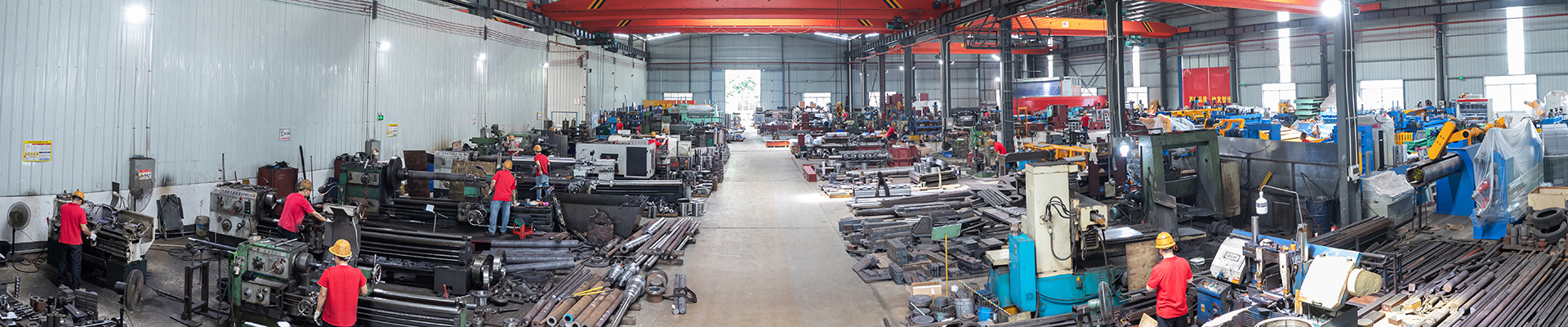

Troubleshooting Common Issues with Metal Straightening Machines: A Comprehensive Guide
Time:
2025-03-22 10:00
source:

Troubleshooting Common Issues with Metal Straightening Machines
Understanding Metal Straightening Machines
Metal straightening machines are vital in various manufacturing processes, ensuring that metal components achieve the desired shape and precision. These machines utilize mechanical force to remove distortions from metal, making them essential in industries ranging from automotive to construction. Understanding how these machines operate is key to troubleshooting any issues that may arise.
Common Issues Faced by Metal Straightening Machines
Despite their robustness, metal straightening machines can experience several common issues. Identifying these problems early can significantly reduce downtime and maintenance costs. Here, we will discuss several prevalent issues and provide detailed troubleshooting steps.
1. Misalignment of the Straightening Rollers
Misalignment is a frequent issue that can result in uneven straightening and increased wear on machine components. This problem often manifests as an inability to straighten the metal to the required specifications.
Symptoms of Misalignment
- Inconsistent straightening results
- Increased material scrap due to poor finishing
- Excessive vibration during operation
Troubleshooting Steps
- **Check the alignment of the rollers**: Using a dial indicator, measure the alignment of the rollers to ensure they are parallel.
- **Adjust the mounting brackets**: If misalignment is detected, adjust the mounting brackets accordingly to restore proper alignment.
- **Conduct regular maintenance checks**: Schedule regular maintenance to prevent misalignment in the future.
2. Poor Metal Feeding Mechanism
The feeding mechanism plays a crucial role in ensuring that metal strips are fed into the straightening machine smoothly. Any disruption in this process can lead to production delays.
Symptoms of Poor Feeding
- Jamming during operation
- Inconsistent feed rates
- Increased wear on feeding components
Troubleshooting Steps
- **Inspect the feeding rollers**: Check for wear and tear on the feeding rollers and replace them if necessary.
- **Adjust the speed settings**: Ensure that the feed speed is optimized for the type of metal being processed.
- **Clean the feeding area**: Debris accumulation can obstruct the feeding mechanism, so keep the area clean and clear.
3. Hydraulic Issues
Hydraulic systems are integral to the operation of many metal straightening machines. Issues in this area can lead to reduced force application and compromised performance.
Symptoms of Hydraulic Problems
- Fluctuating pressure readings
- Uneven straightening due to inadequate force
- Unusual noises from the hydraulic system
Troubleshooting Steps
- **Check hydraulic fluid levels**: Ensure that the hydraulic fluid is at the recommended level and replace it if it appears contaminated.
- **Inspect hydraulic hoses**: Look for any signs of leaks or damage on the hoses, and replace them as needed.
- **Test the hydraulic pump**: Evaluate the pump's performance and replace it if it fails to maintain consistent pressure.
4. Electrical Failures
Metal straightening machines depend on various electrical components for operation. Failures in these components can halt production and cause significant headaches.
Symptoms of Electrical Failures
- Machine not responding to controls
- Frequent trips of circuit breakers
- Overheating of electrical components
Troubleshooting Steps
- **Inspect the control panel**: Check for loose wires or burnt fuses and repair or replace as necessary.
- **Test electrical connections**: Use a multimeter to evaluate connections and ensure they are functioning correctly.
- **Check motor functionality**: Ensure that the motor is operating within its specified parameters; replace if malfunctioning.
Preventative Maintenance for Metal Straightening Machines
Taking proactive measures to maintain metal straightening machines can significantly reduce the occurrence of issues outlined above. Implementing a robust maintenance schedule is essential for long-term machine health.
Regular Inspection and Calibration
Establish a routine for inspecting and calibrating the machine to ensure all components are functioning optimally. This includes checking the alignment of rollers, hydraulic fluid levels, and electrical connections.
Use of Quality Materials
Investing in high-quality materials for both the machine components and the metals being processed can reduce wear and improve performance.
Training and Education of Operators
Proper training for operators can lead to better handling of the machinery, minimizing user-induced errors that could lead to common malfunctions.
Frequently Asked Questions (FAQs)
1. What should I do if my metal straightening machine is not straightening correctly?
**Check the alignment of the rollers and ensure the feeding mechanism is working properly. Regular maintenance can also prevent these issues.**
2. How often should I perform maintenance on my metal straightening machine?
**Maintenance should be performed regularly—at least every three months, or more frequently depending on usage levels.**
3. What could cause hydraulic issues in my metal straightening machine?
**Contaminated hydraulic fluid, leaks in hoses, or a malfunctioning hydraulic pump are common causes.**
4. How can I improve the life of my metal straightening machine?
**Regular inspections, quality materials, and proper operator training can significantly extend the lifespan of your machine.**
5. Can I troubleshoot electrical issues myself?
**While some basic checks can be performed, it’s advisable to consult an expert or technician for complex electrical problems.**
Conclusion
Troubleshooting common issues with metal straightening machines requires a blend of technical knowledge and practical application. By understanding the typical problems that arise and implementing effective maintenance strategies, manufacturers can enhance the reliability and efficiency of their machines. This not only minimizes downtime but also ensures that production remains consistent and profitable. Remember that proactive measures and proper training are key to achieving the best performance from your metal straightening machines.
Related news
Hotline:
Address:Baishaqiao Industrial Zone, Shishan Town, Nanhai District, Foshan, China
Tel:+86-18823293989
Tel:+86-13929966249
Tel:+86-757-86698198
Email:1174934194@qq.com
COPYRIGHT © 2023 Guangdong Quanfa Intelligent Equipment Co.Ltd.
Address:Baishaqiao Industrial Zone, Shishan Town, Nanhai District, Foshan, China
Tel:+86-18823293989
Tel:+86-13929966249
Tel:+86-757-86698198
Email:1174934194@qq.com
Swipe to add WeChat
Swipe to add WeChat
Swipe to add WhatsApp